Microcontroller boards: Arduino, ESP32, Raspberry Pi Pico and more
37 parts, each with its pinout, wiring per board, code that compiles and the mistakes to avoid.
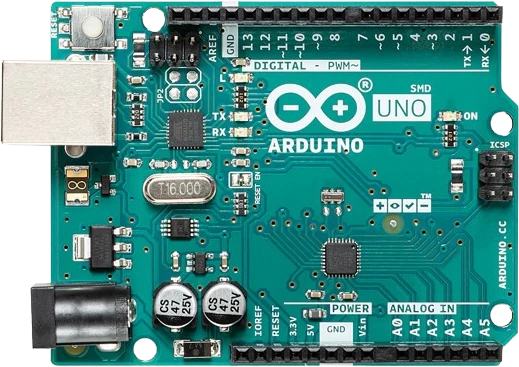 Arduino UnoThe classic ATmega328P development board with 5V logic and a 16 MHz clock, the standard entry point for learning Arduino.
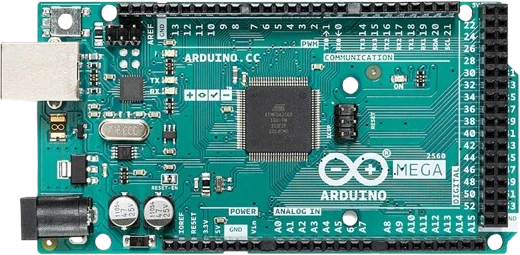 Arduino Mega 2560An ATmega2560-based Arduino board with 54 digital I/O pins and 256 KB of flash for projects that outgrow the Uno.
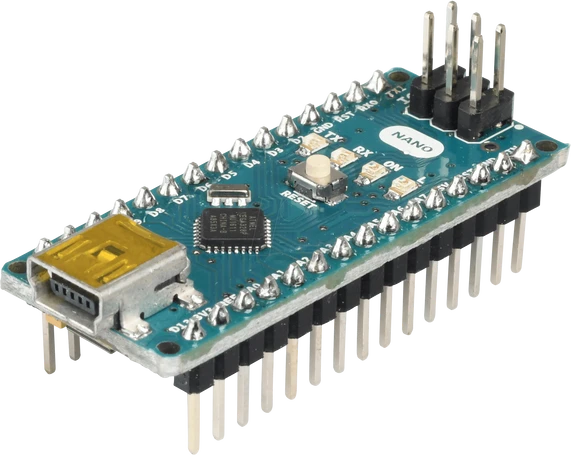 Arduino Nano V3A breadboard-friendly ATmega328P board that packs an Uno's capability into a compact 30-pin format.
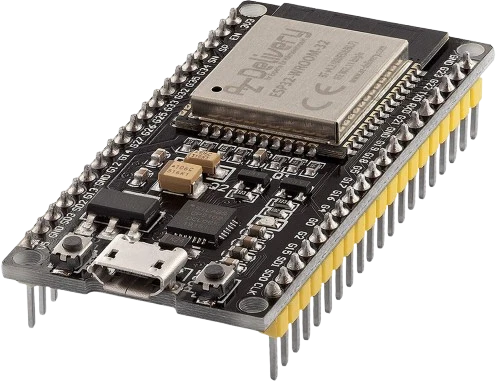 ESP32 NodeMCU-32SA Wi-Fi and Bluetooth development board built around the Espressif ESP32-WROOM-32 module, with a dual-core 240 MHz processor and 3.3V GPIO.
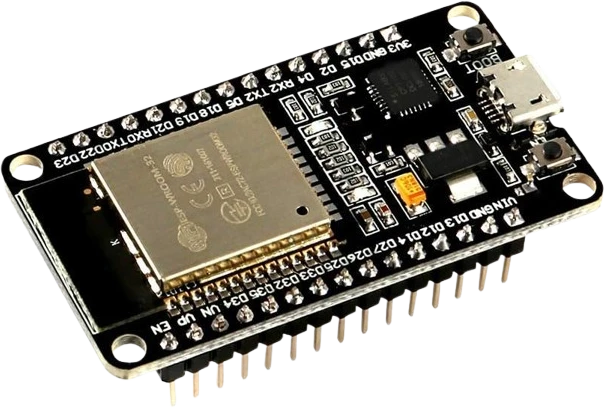 ESP32 DevKit V1A breadboard-friendly ESP32-WROOM-32 development board with dual-core 240 MHz processing, Wi-Fi, and Bluetooth on a 30-pin layout.
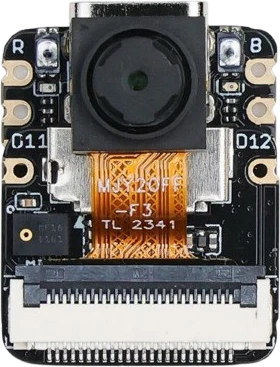 XIAO ESP32-S3 SenseA thumb-sized ESP32-S3 development board that pairs 2.4GHz Wi-Fi and BLE with a detachable camera, digital microphone, and microSD slot for on-device AI, vision, and audio.
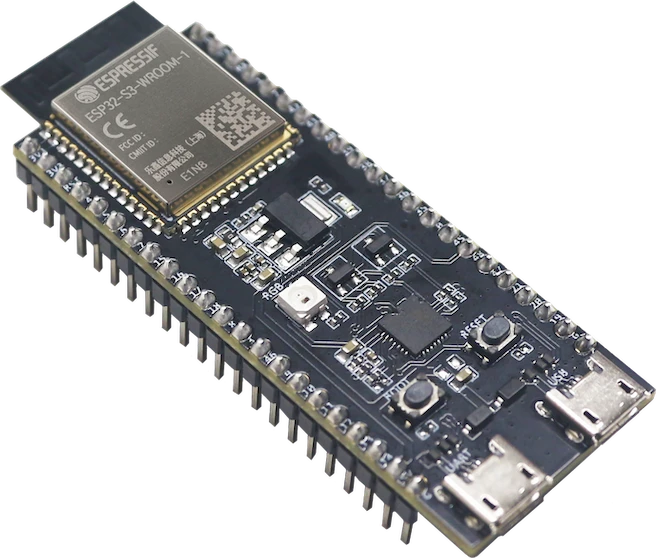 ESP32-S3-WROOMFreenove development board built on the ESP32-S3-WROOM-1 module: a dual-core Wi-Fi and Bluetooth LE MCU board with onboard camera connector, addressable RGB LED, and two USB-C ports.
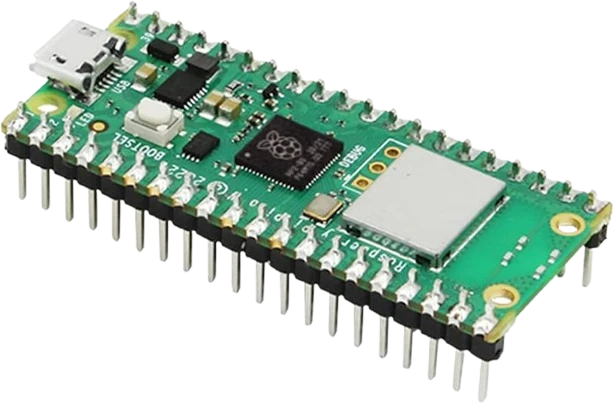 Raspberry Pi Pico WRP2040-based microcontroller board with onboard 2.4 GHz Wi-Fi and Bluetooth, built for connected 3.3V projects.
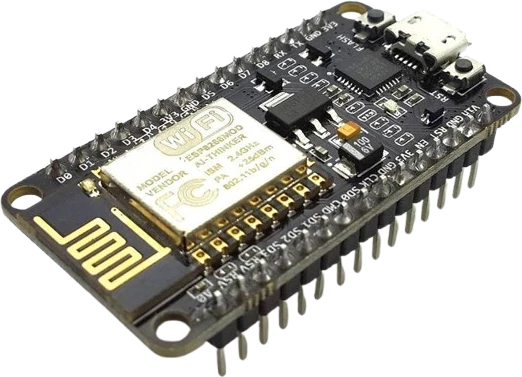 ESP8266 NodeMCUAn open-source Wi-Fi development board built around the Espressif ESP8266EX, pairing a 32-bit microcontroller with 802.11 b/g/n networking on a breadboard-friendly module.
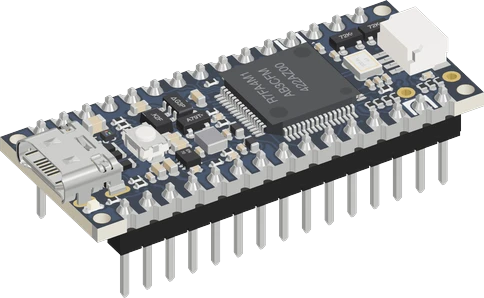 Arduino Nano R4The classic Nano footprint with a 48 MHz Arm Cortex-M4, 5 V I/O, USB-C and a Qwiic port.
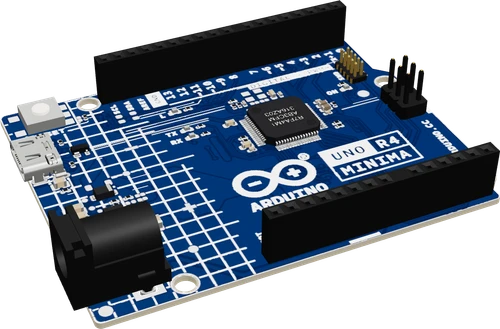 Arduino UNO R4 MinimaThe UNO form factor with a 48 MHz Arm Cortex-M4, 5 V I/O, USB-C and a 6 to 24 V barrel jack.
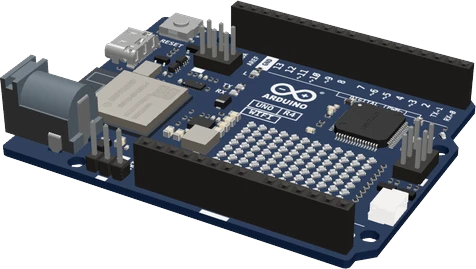 Arduino UNO R4 WiFiAn UNO with a 48 MHz Arm Cortex-M4, an ESP32-S3 for Wi-Fi and Bluetooth LE, and a 12 × 8 LED matrix.
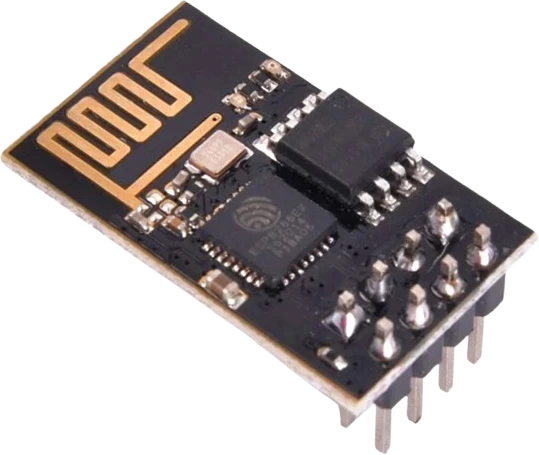 ESP-01S (ESP8266)The smallest ESP8266 Wi-Fi module: 1 MB flash, two GPIOs and a UART on an 8-pin header.
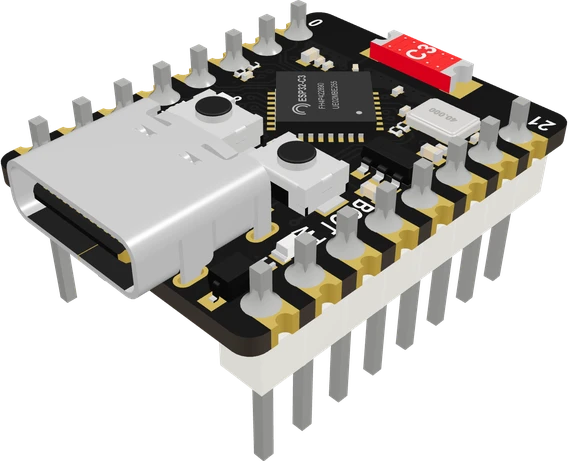 ESP32-C3 SuperMiniA thumb-sized ESP32-C3 board with Wi-Fi, Bluetooth LE 5 and native USB-C, built around a 160 MHz RISC-V core.
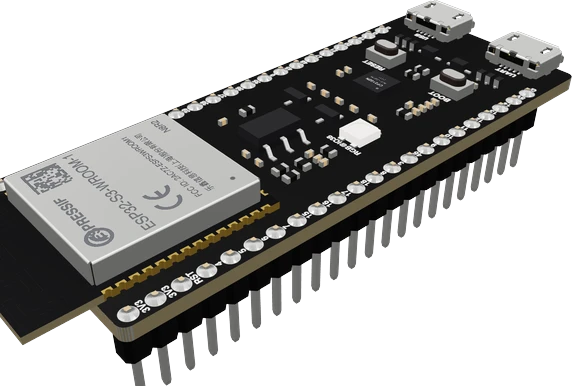 ESP32-S3-DevKitC-1Espressif's reference ESP32-S3 board: dual-core 240 MHz, Wi-Fi, Bluetooth LE 5, native USB and a USB-to-UART port.
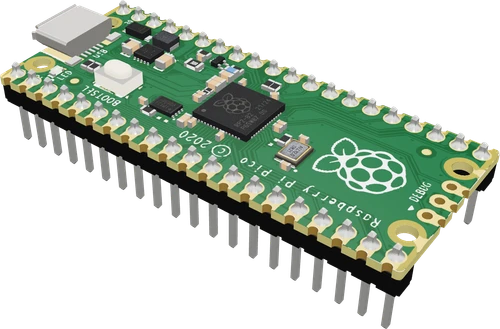 Raspberry Pi PicoRaspberry Pi's RP2040 board: two 133 MHz Cortex-M0+ cores, 264 kB SRAM, 2 MB flash and 26 GPIO at 3.3 V.
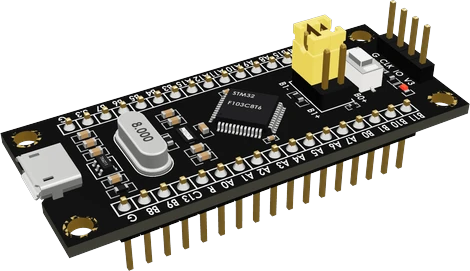 STM32 Black Pill (F103C8)The older STM32 Black Pill: the Blue Pill's 72 MHz STM32F103C8T6 on a black 25 x 57 mm board with its LED on PB12.
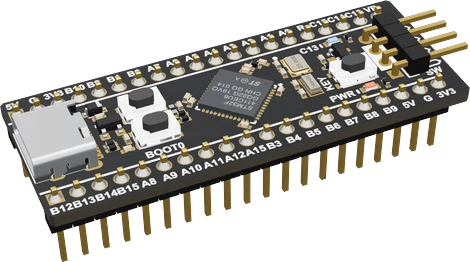 STM32 Black Pill (F411CE)WeAct's USB-C STM32F411CEU6 board: 100 MHz Cortex-M4 with FPU, 512 KB flash, 128 KB RAM and USB DFU upload.
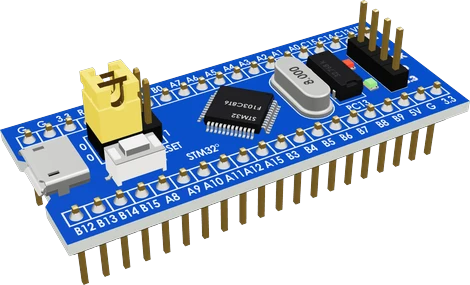 STM32 Blue Pill (F103C8)A cheap 53 x 23 mm STM32F103C8T6 board: 72 MHz Cortex-M3, 64 KB flash, 20 KB RAM, USB and 3.3 V I/O.
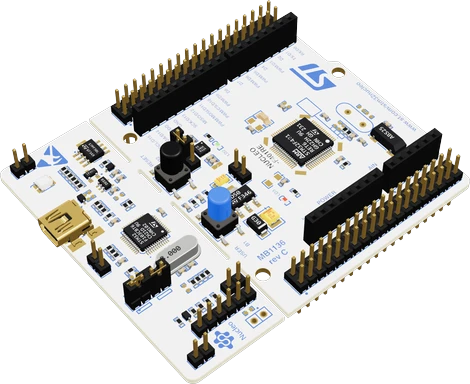 STM32 Nucleo-F401REST's Uno-shaped STM32 board: an 84 MHz Cortex-M4F with 512 KB of flash and a built-in ST-LINK programmer on one USB cable.
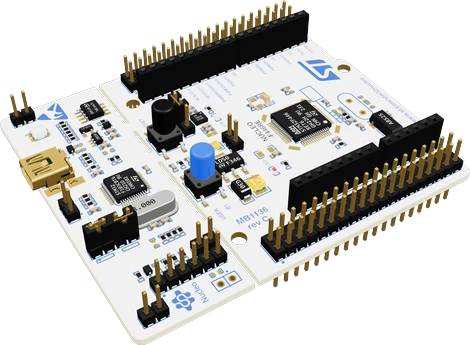 STM32 Nucleo-F446REThe fastest Nucleo-64: a 180 MHz Cortex-M4F with DACs, CAN and an on-board ST-LINK, on Arduino Uno headers.
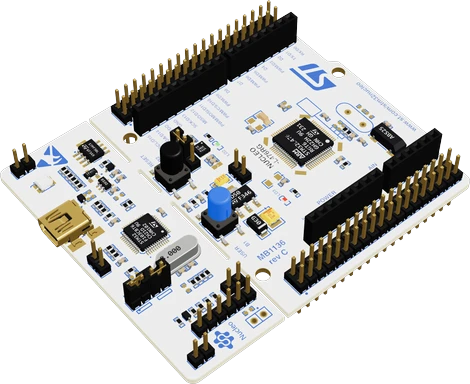 STM32 Nucleo-L476RGST's ultra-low-power Nucleo-64: an 80 MHz Cortex-M4F with 1 MB of flash that sleeps at 1.1 µA in Stop 2, with an on-board ST-LINK.
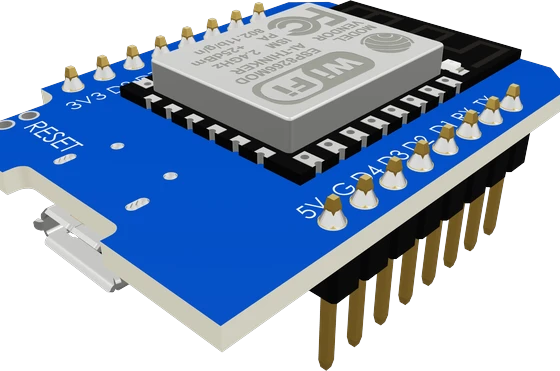 WEMOS D1 miniA 34 × 26 mm ESP8266 Wi-Fi board with 4 MB flash, USB serial and 11 digital pins.
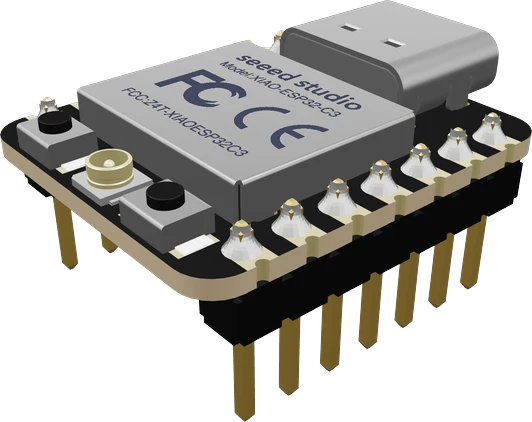 XIAO ESP32-C3Seeed's 21 x 17.8 mm ESP32-C3 board with Wi-Fi, Bluetooth LE 5, LiPo charging and an external antenna.
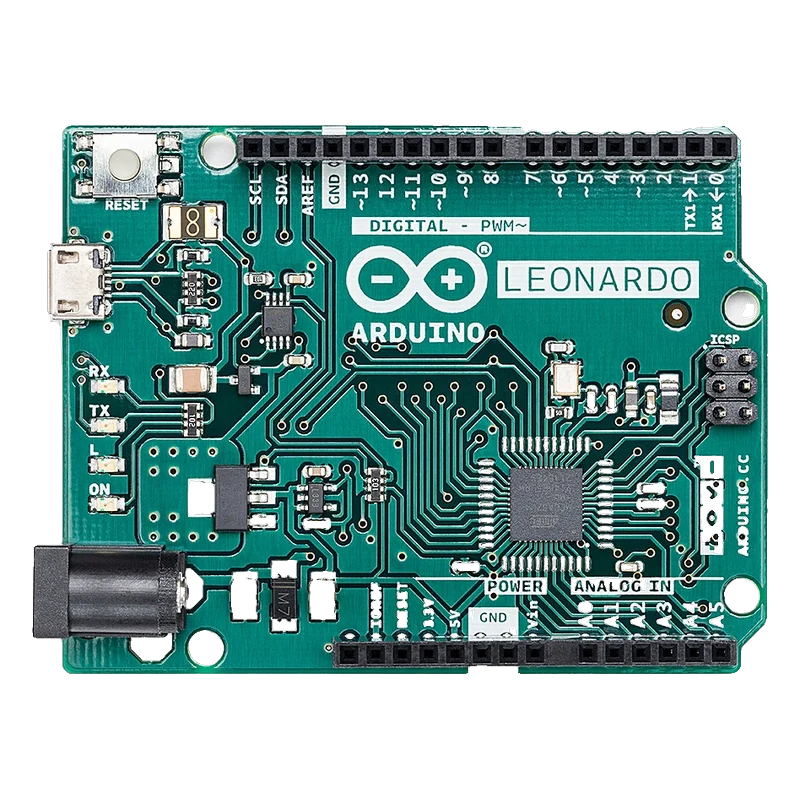 Arduino LeonardoAn Uno-sized Arduino on the ATmega32U4, whose native USB lets it act as a USB keyboard, mouse or serial port.
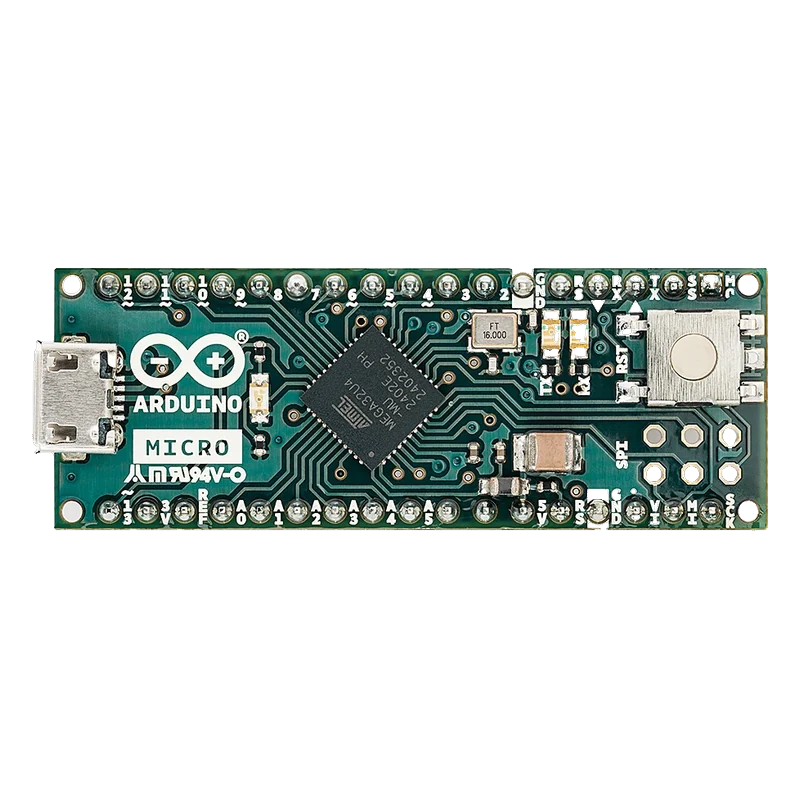 Arduino MicroA 48 x 18 mm breadboard Arduino on the ATmega32U4, with native USB for keyboard, mouse and serial projects.
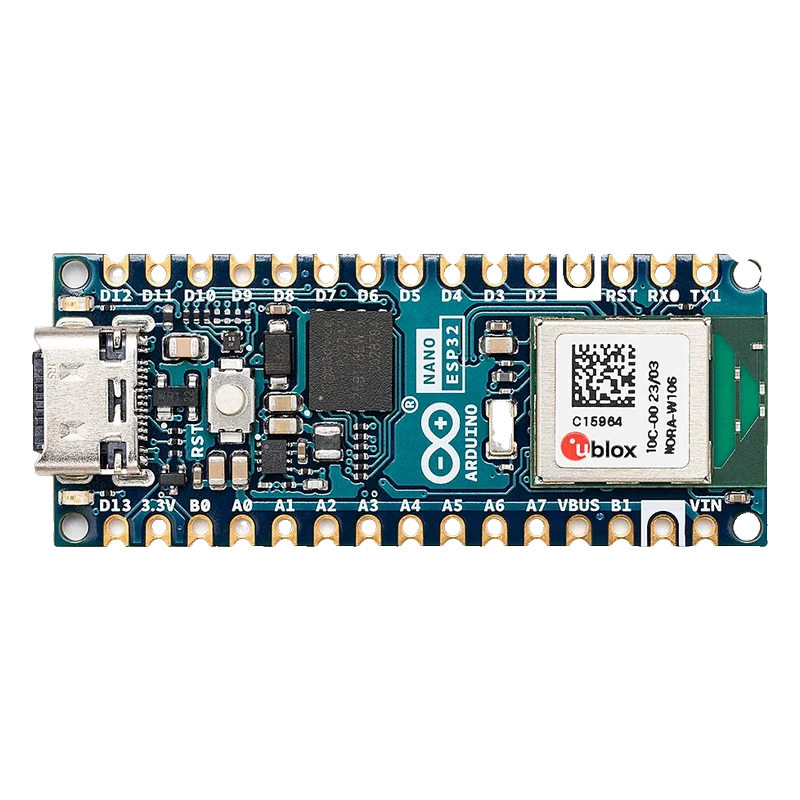 Arduino Nano ESP32Arduino's Nano-format board built on an ESP32-S3 (u-blox NORA-W106 module): dual-core 240 MHz, Wi-Fi, Bluetooth LE, native USB-C and 3.3 V pins in the classic Nano layout.
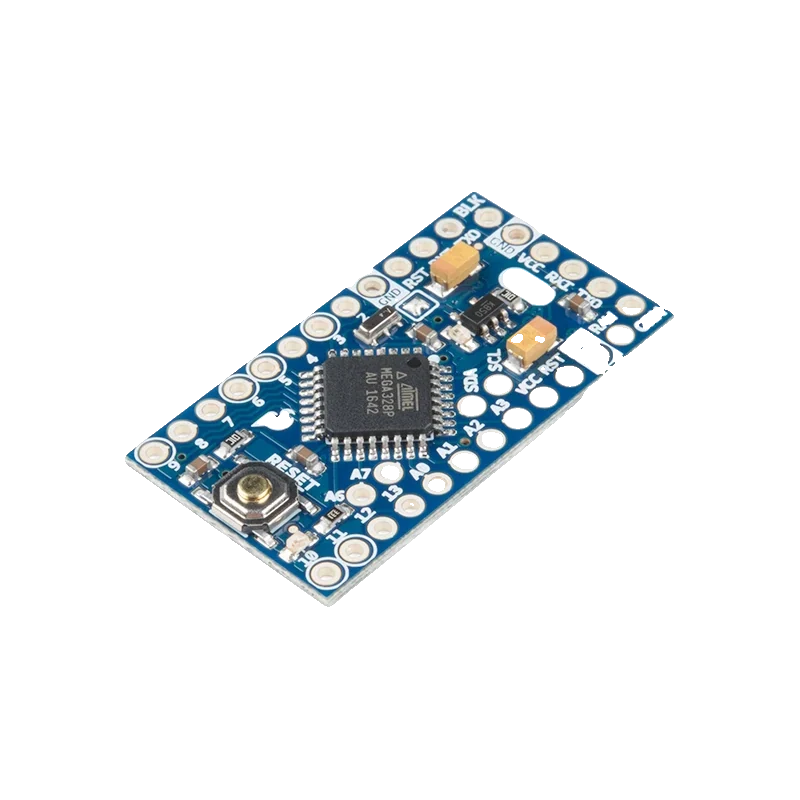 Arduino Pro MiniA tiny ATmega328P board without USB, sold as 5 V/16 MHz and 3.3 V/8 MHz versions, programmed through an FTDI-style USB-serial adapter.
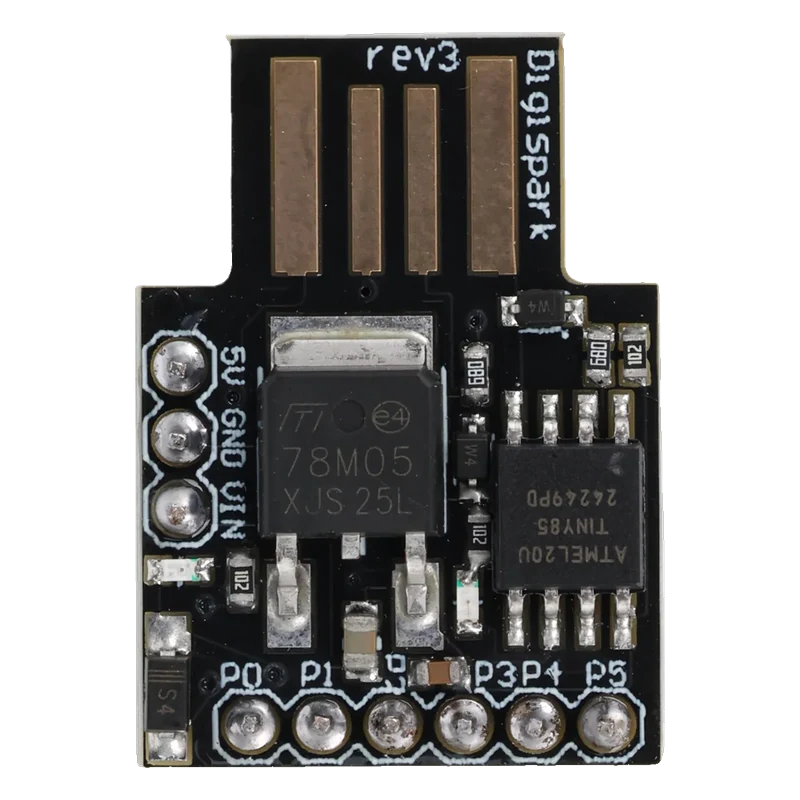 ATtiny85 DigisparkAn 8-pin ATtiny85 microcontroller, sold bare or as the thumb-sized Digispark USB board with the micronucleus bootloader.
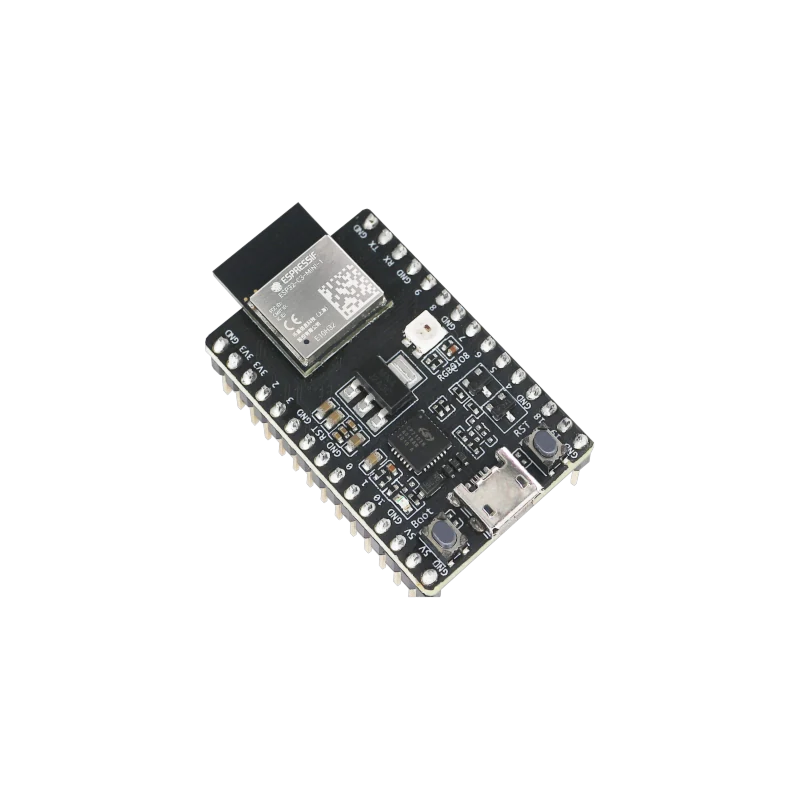 ESP32-C3-DevKitM-1Espressif's reference board for the ESP32-C3: a 160 MHz RISC-V core with Wi-Fi and Bluetooth LE on an ESP32-C3-MINI-1 module, with a CP2102N USB bridge and an RGB LED on GPIO8.
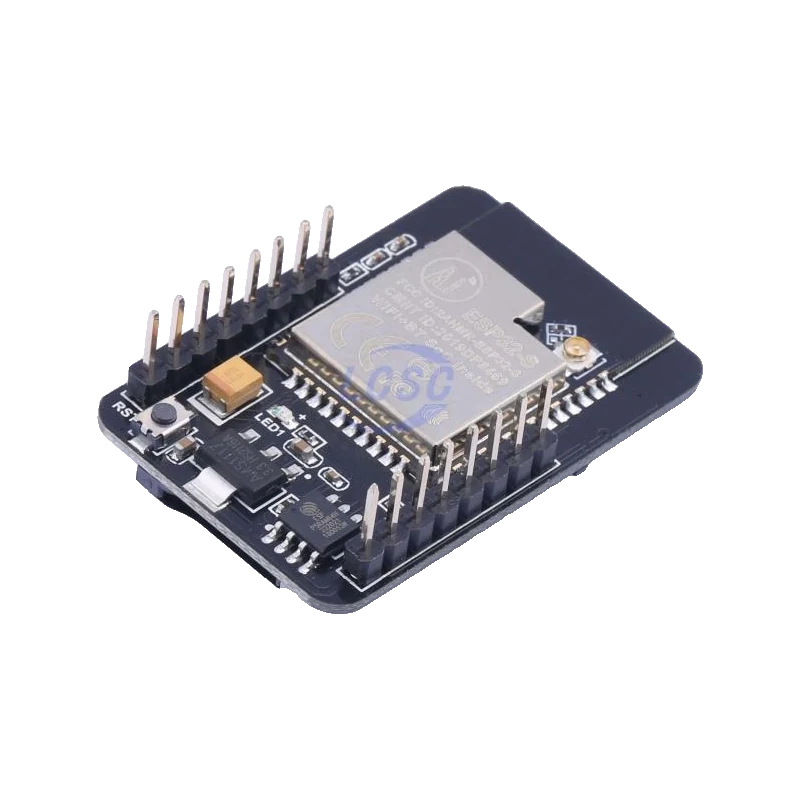 ESP32-CAM (AI-Thinker)Ai-Thinker's tiny ESP32 camera board: an ESP32 with 4 MB PSRAM, an OV2640 camera, a microSD slot and a flash LED, programmed through an external USB-serial adapter.
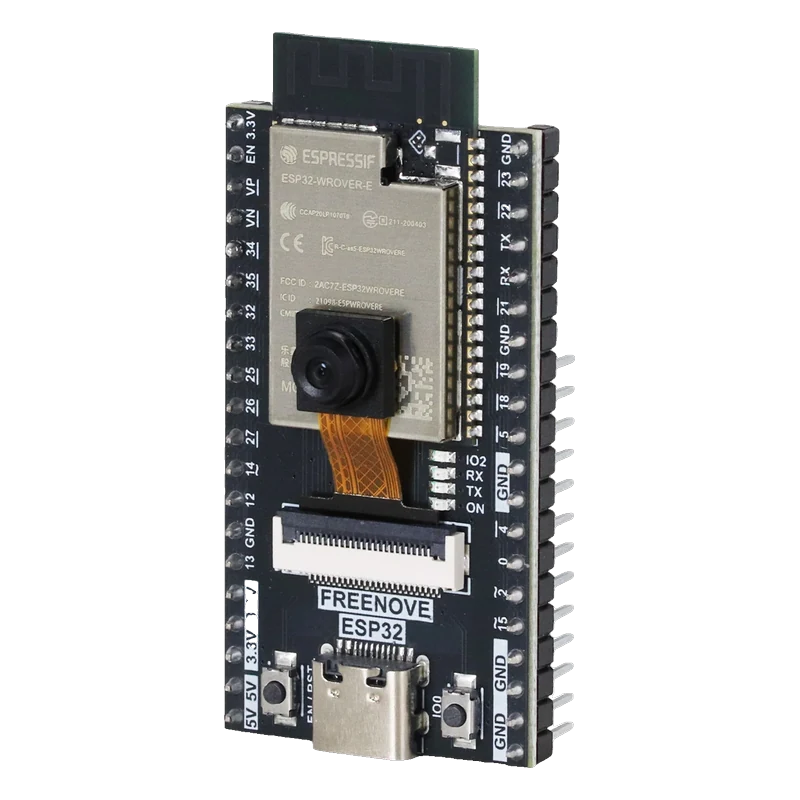 Freenove ESP32-WROVER BoardFreenove's ESP32 development board built on Espressif's ESP32-WROVER-E module (4 MB flash, 8 MB PSRAM), with a camera connector, a microSD slot, a CH340 USB bridge and two 20-pin headers.
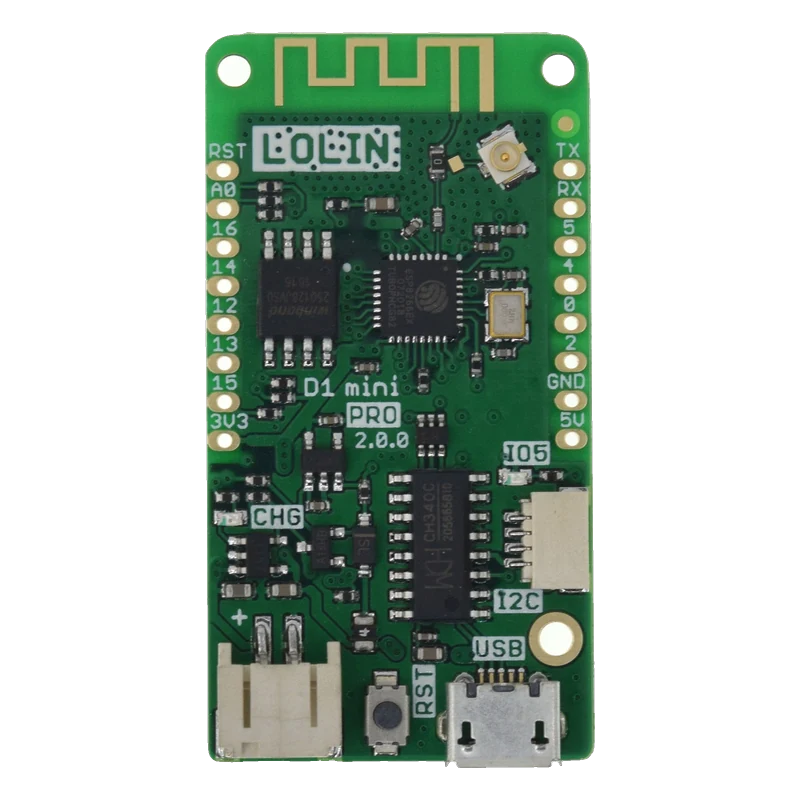 LOLIN D1 mini ProWEMOS's upgraded ESP8266 D1 mini: 16 MB flash, a lithium battery charger, an external antenna socket and a LOLIN I2C port, on the D1 mini shield layout.
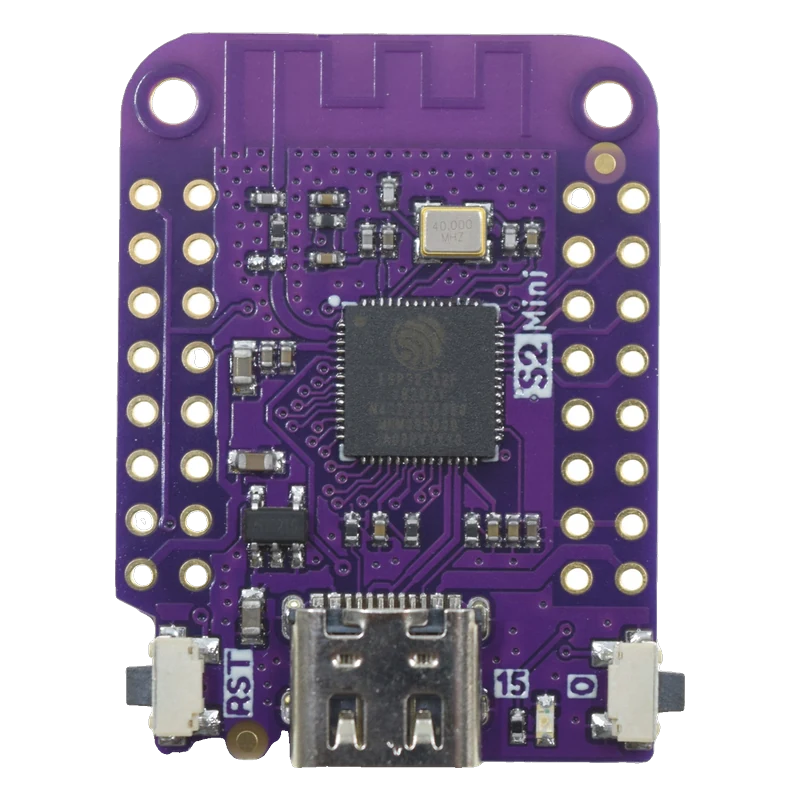 LOLIN S2 MiniWEMOS's D1 mini sized ESP32-S2 board: a single 240 MHz core, Wi-Fi, 4 MB flash, 2 MB PSRAM, 27 GPIOs and native USB-C in 34.3 x 25.4 mm.
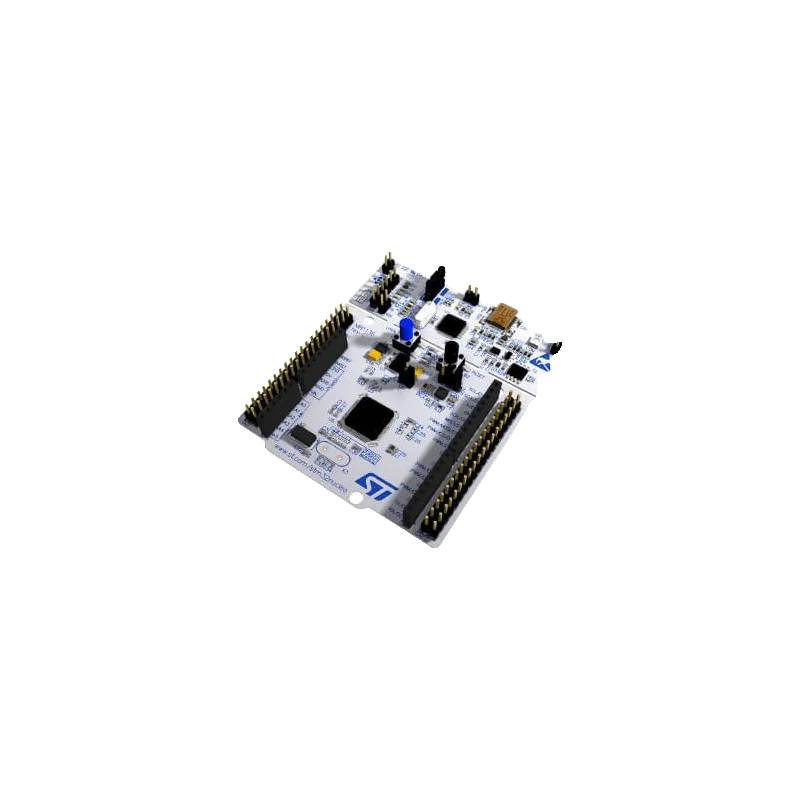 Nucleo-F103RBST's Nucleo-64 board with a 72 MHz STM32F103RB Cortex-M3, Arduino Uno headers, ST morpho headers and an on-board ST-LINK/V2-1.
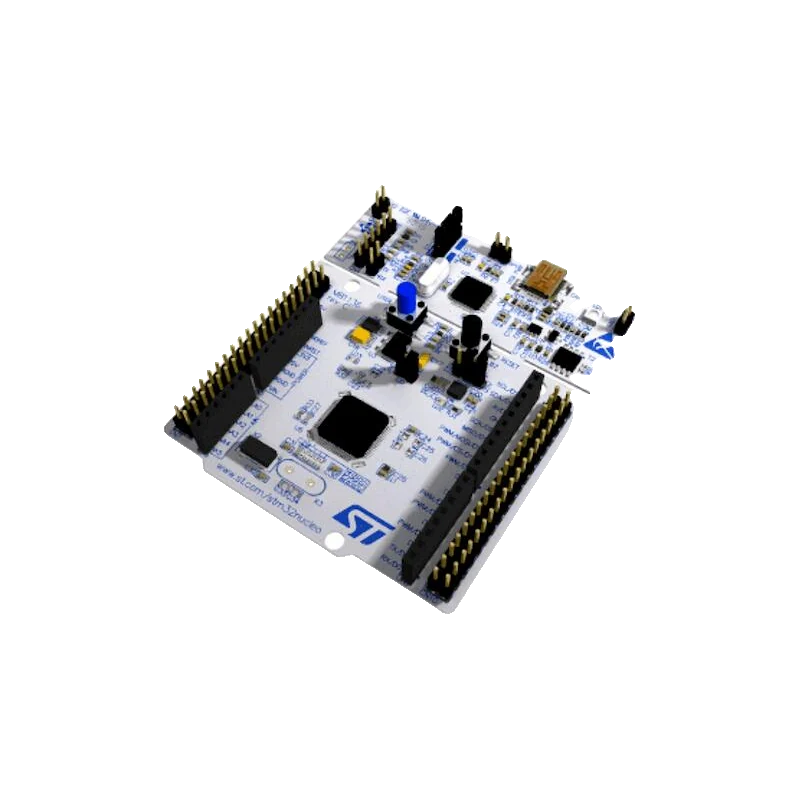 Nucleo-F411REST's Nucleo-64 board with a 100 MHz STM32F411RE, Arduino Uno headers, ST morpho headers and an on-board ST-LINK/V2-1.
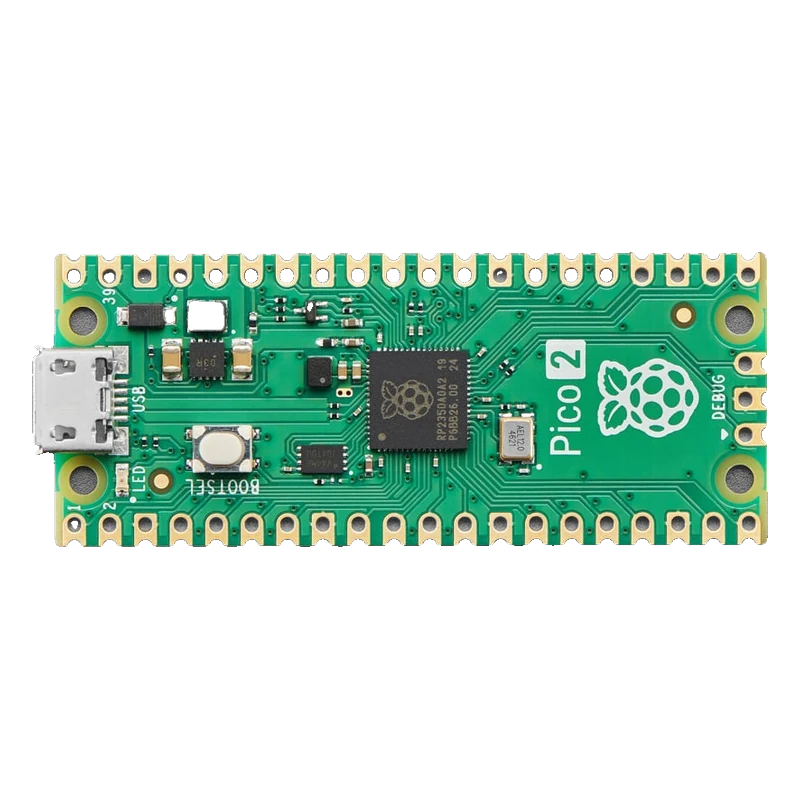 Raspberry Pi Pico 2Raspberry Pi's second Pico: the RP2350 with two Arm Cortex-M33 or two Hazard3 RISC-V cores at 150 MHz, 520 KB SRAM and 4 MB flash, on the same 40-pin 51 x 21 mm board as the original Pico.