Enclosures that fit the first time. Designed around your board.
Describe your product or bring your board. Tinkered designs the case around it, measures the fit and prepares the files for your printer or the factory.
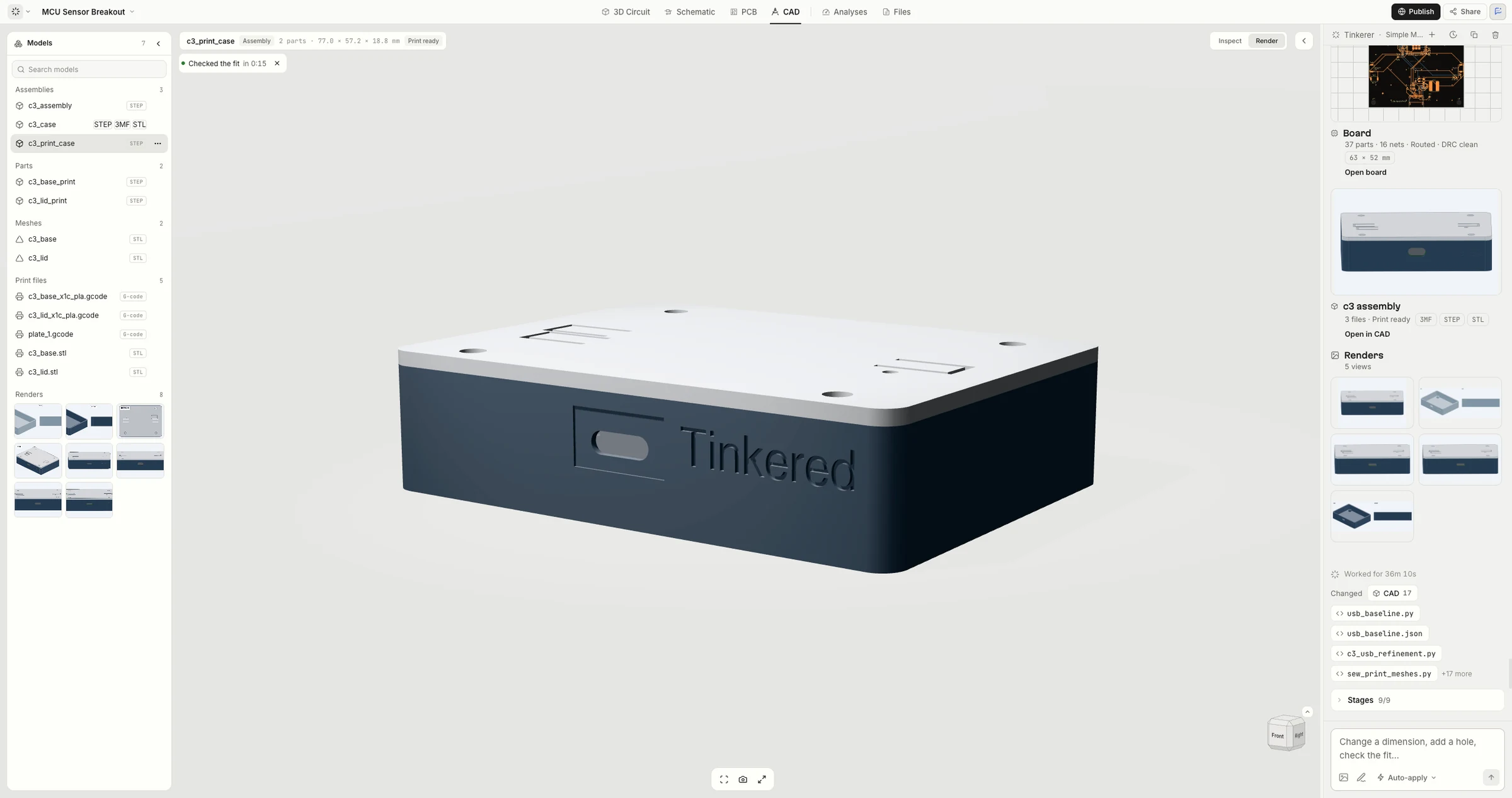
Design the case, prove it works and get it made.
- Designs the whole caseEvery port, button, light and screen in its place, from the real board.
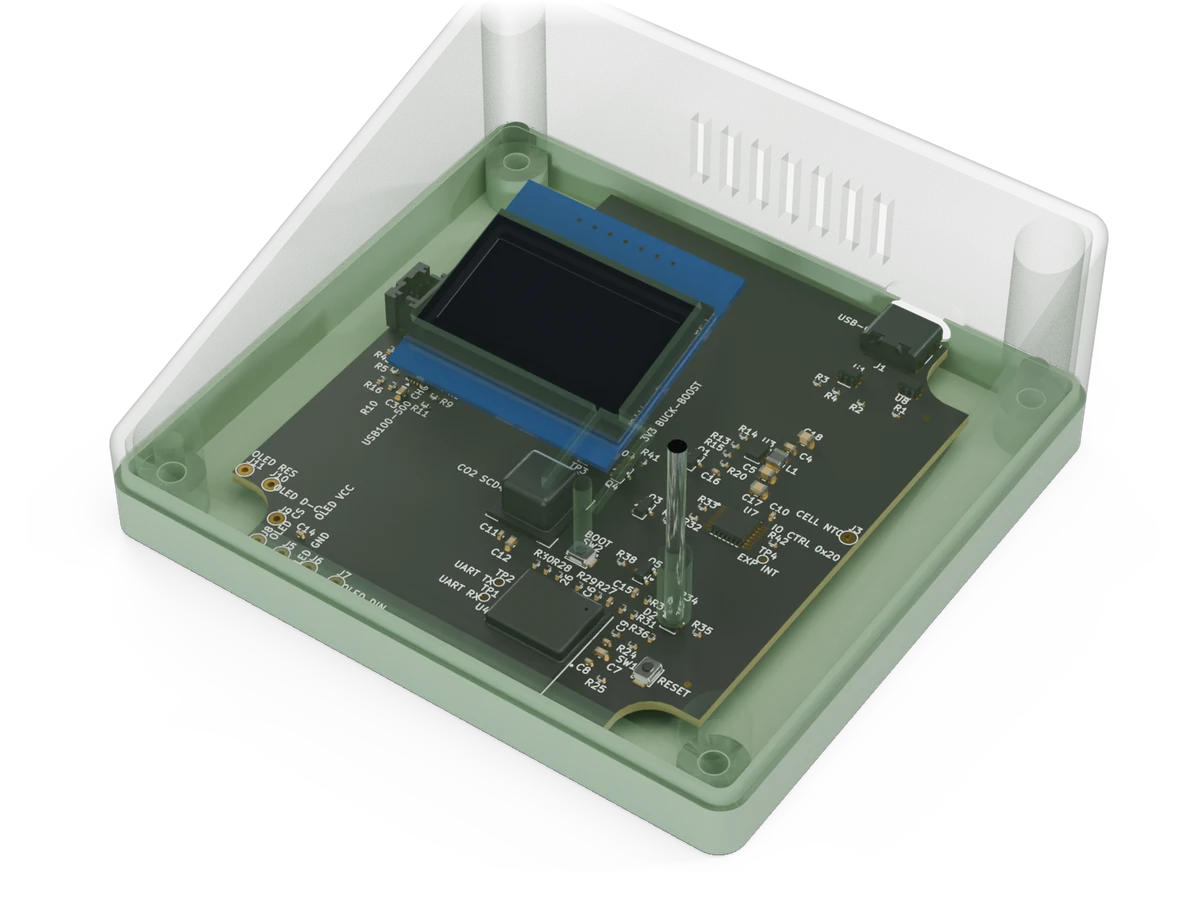
- Proves it worksEvery plug and button measured to fit, and the heat worked out with the case closed.
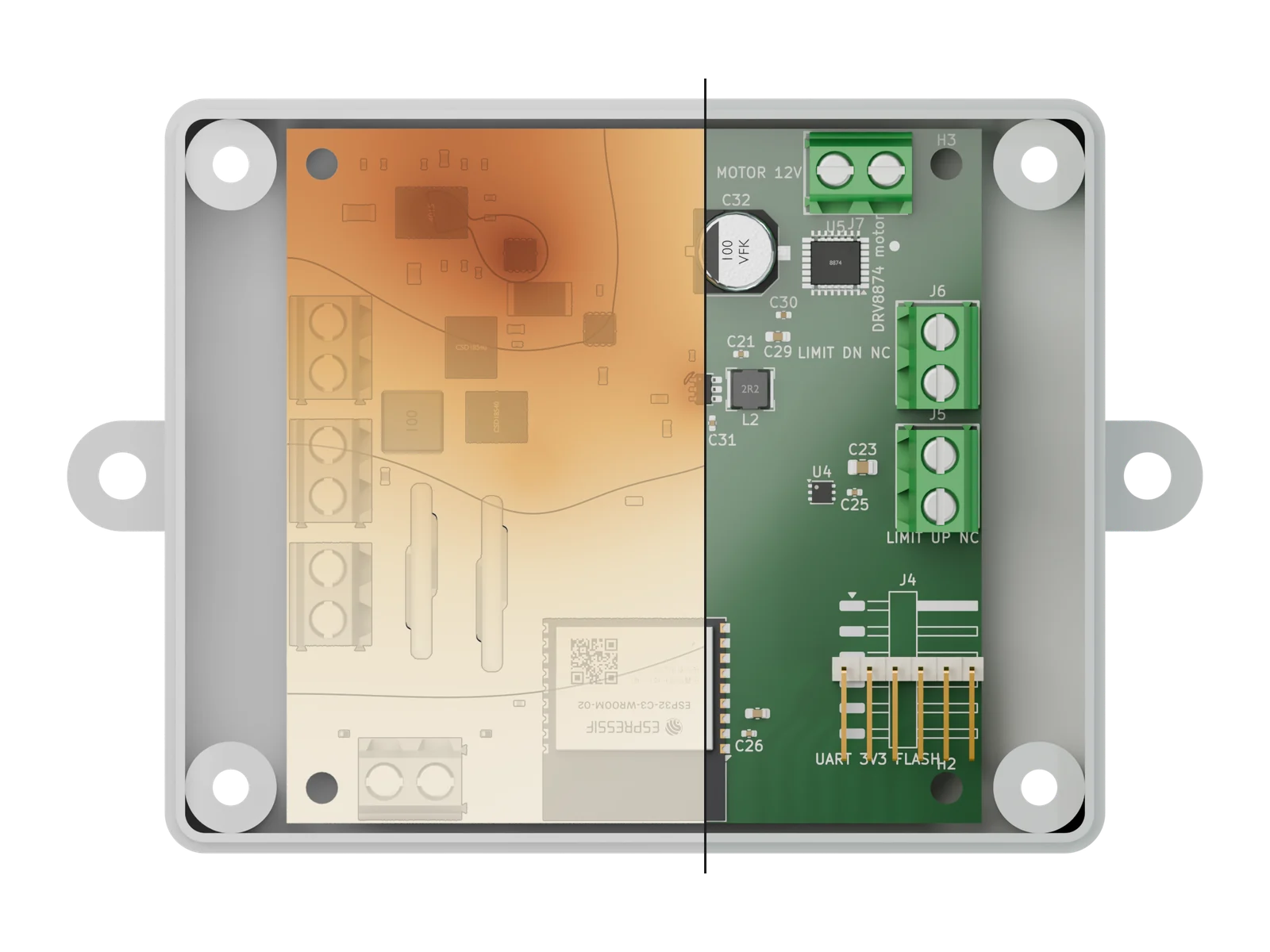
- Plans board and case togetherPorts, battery and antenna decided first, then the board shaped to fit.
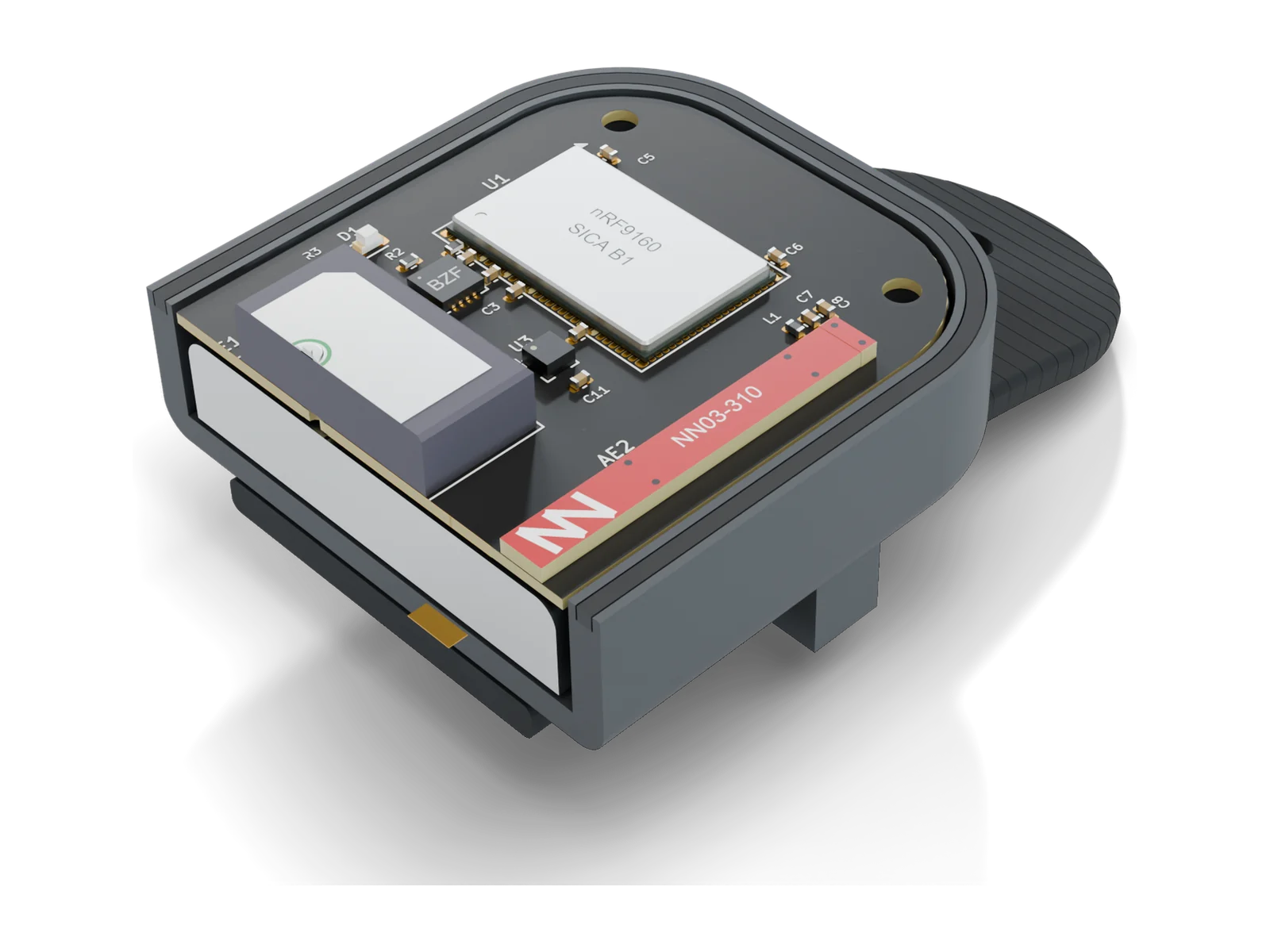
- Ready to makeChecked for your process, sliced for your printer or drafted for the mould.
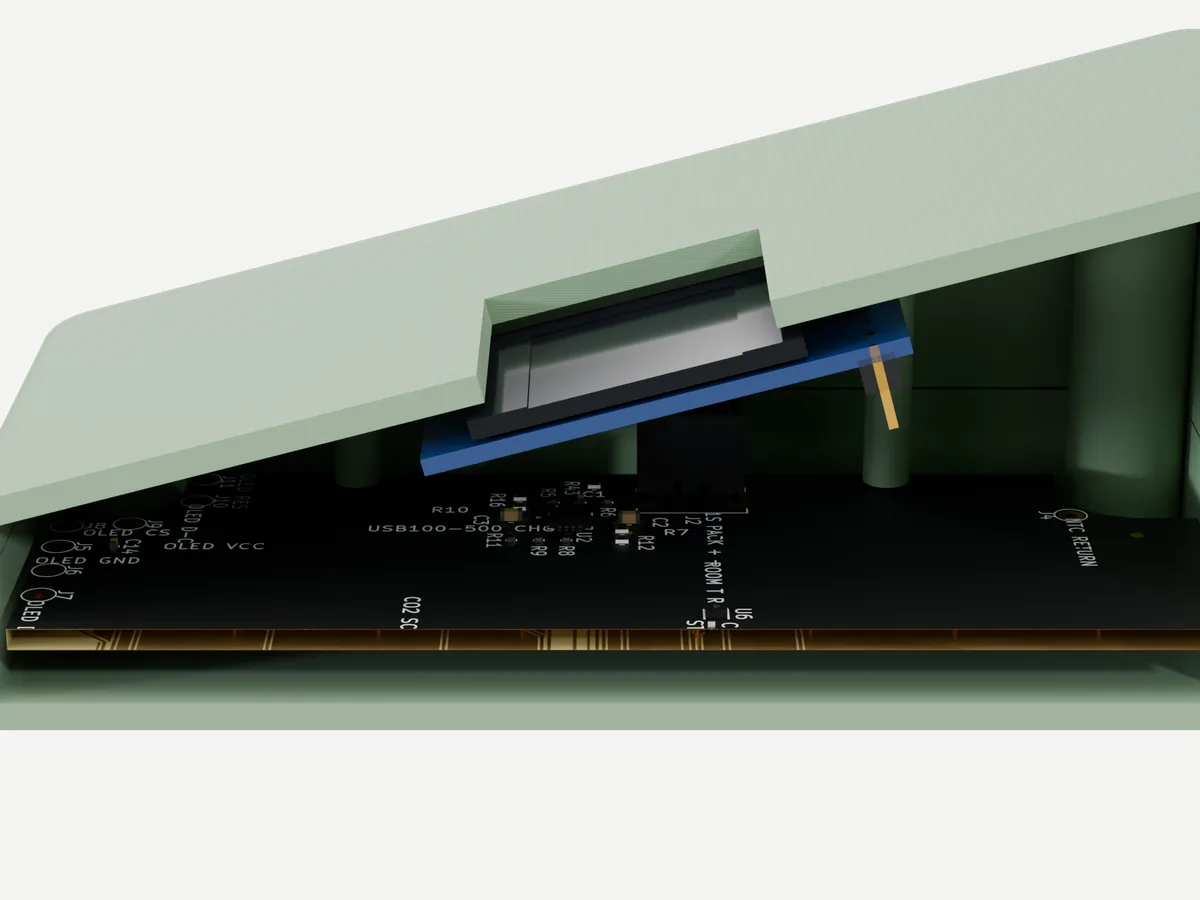
Every fit, measured.
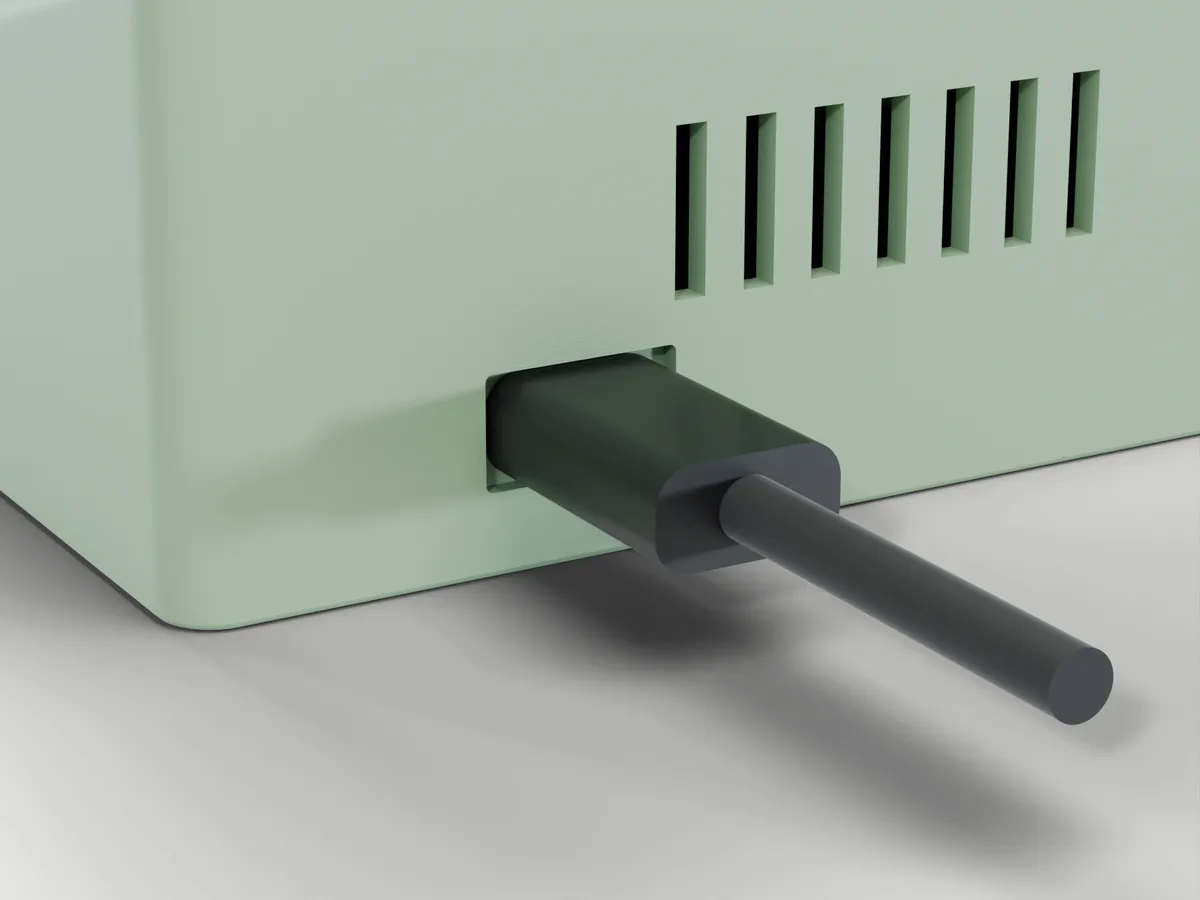
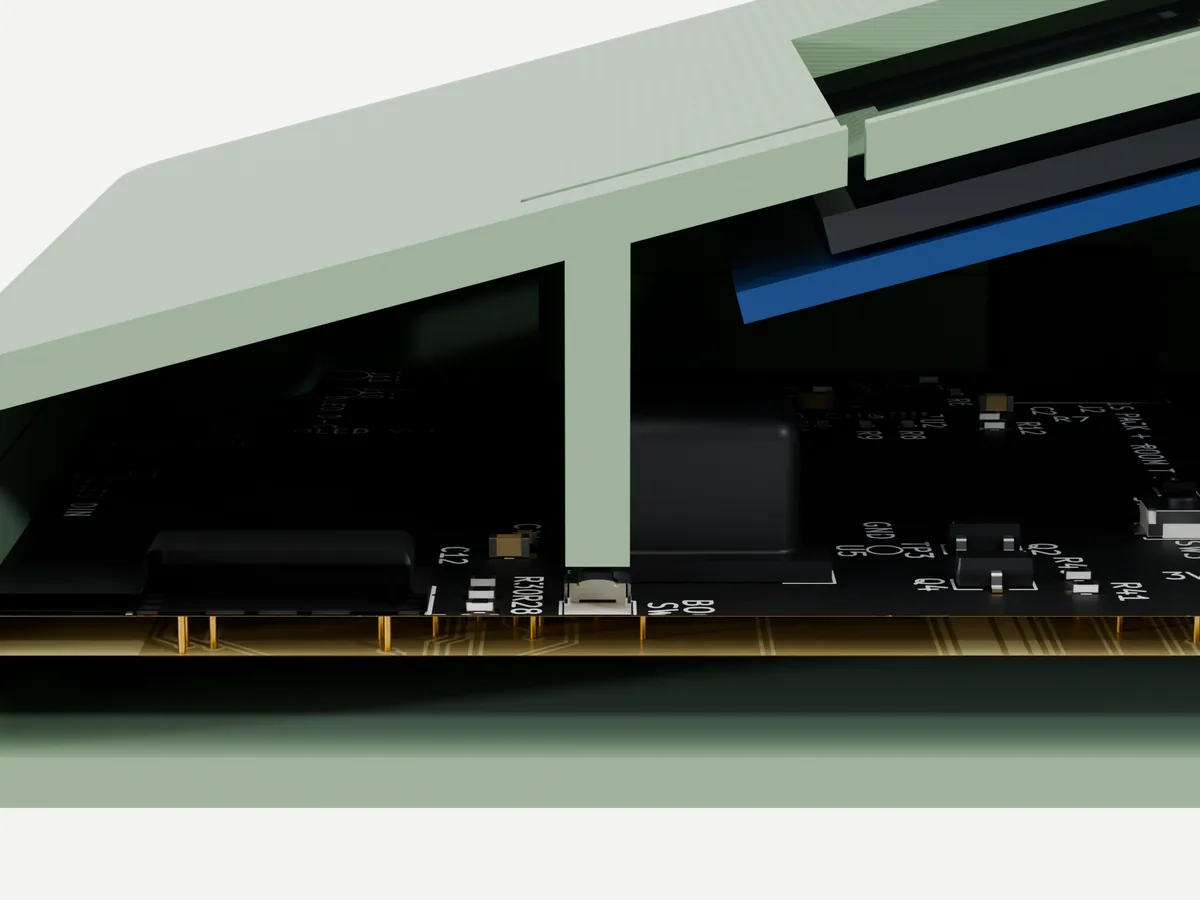
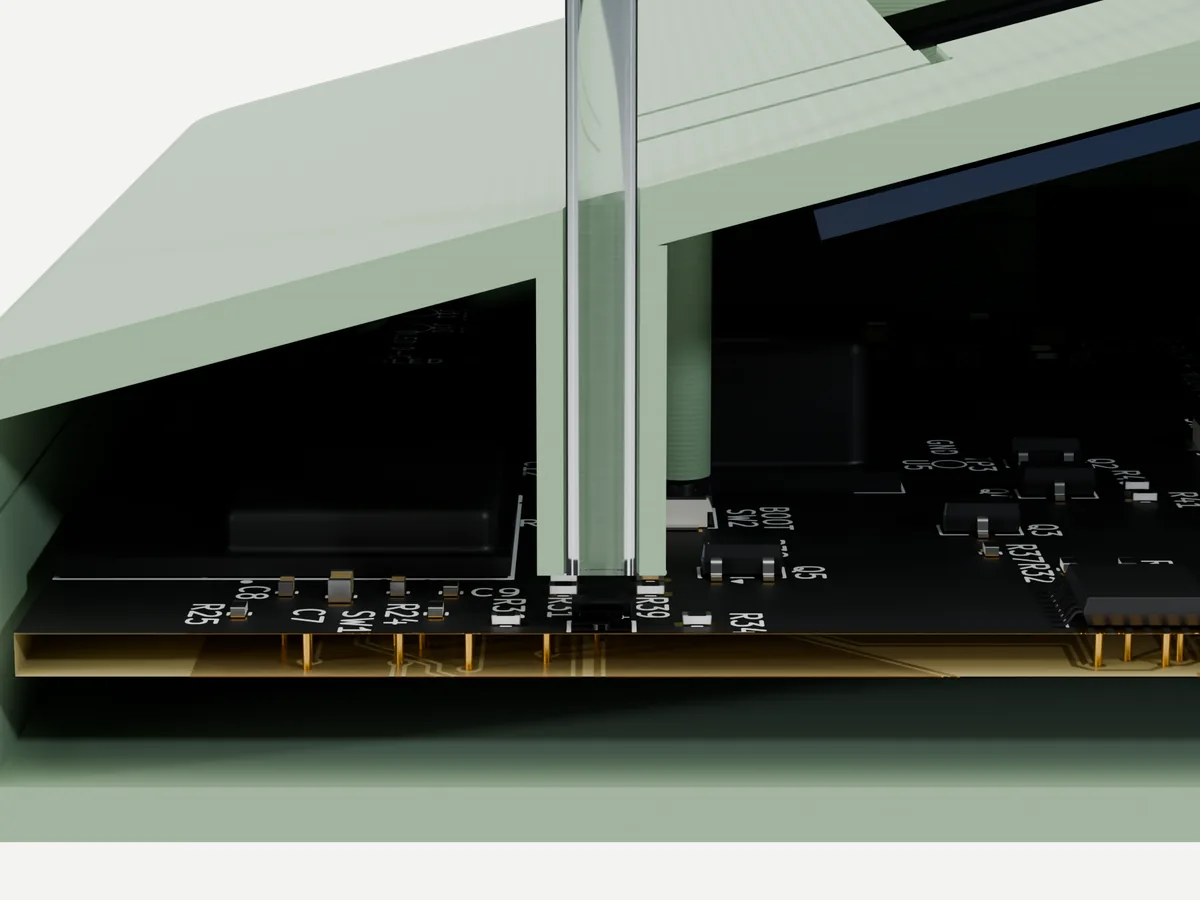
Each plug, button, light and screen is checked against the real board before you print.
- 01The plug seats fully
- 02The button reaches its switch
- 03The light gets out
- 04The screen lines up with its window
- 05The board drops in and is held
- 06Nothing collides
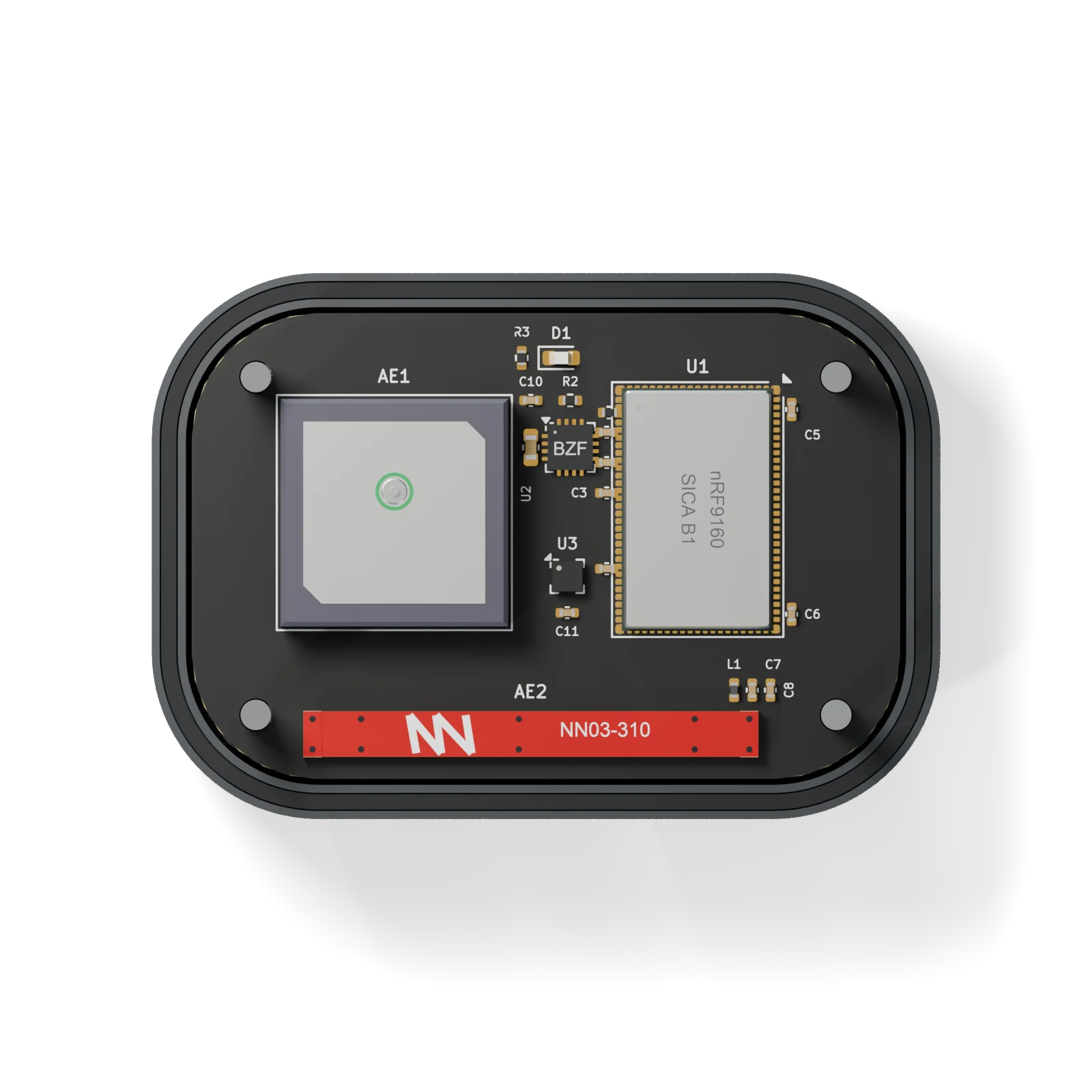
The board fits the case, too.
Tinkered plans the product first, then shapes the board to fit it.
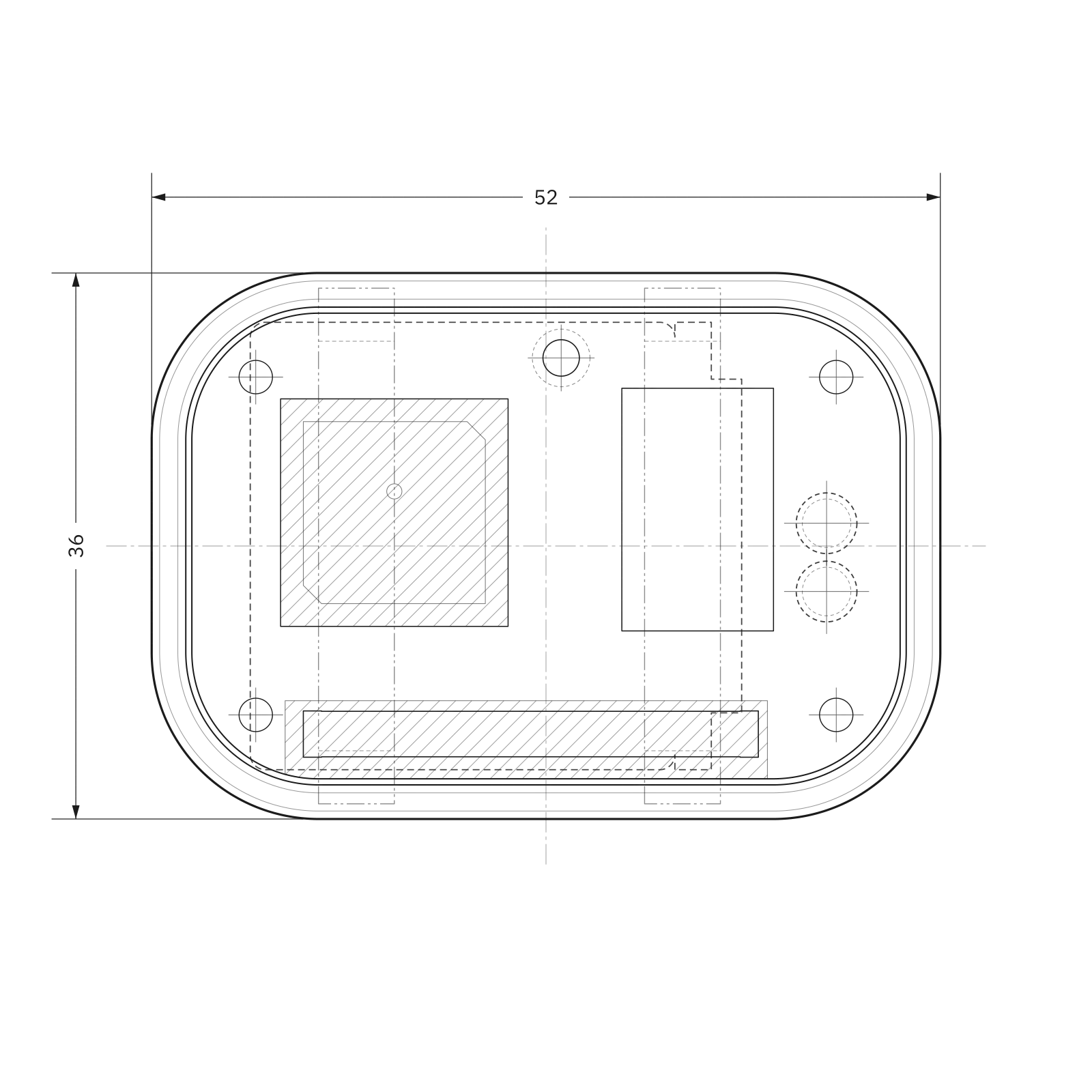
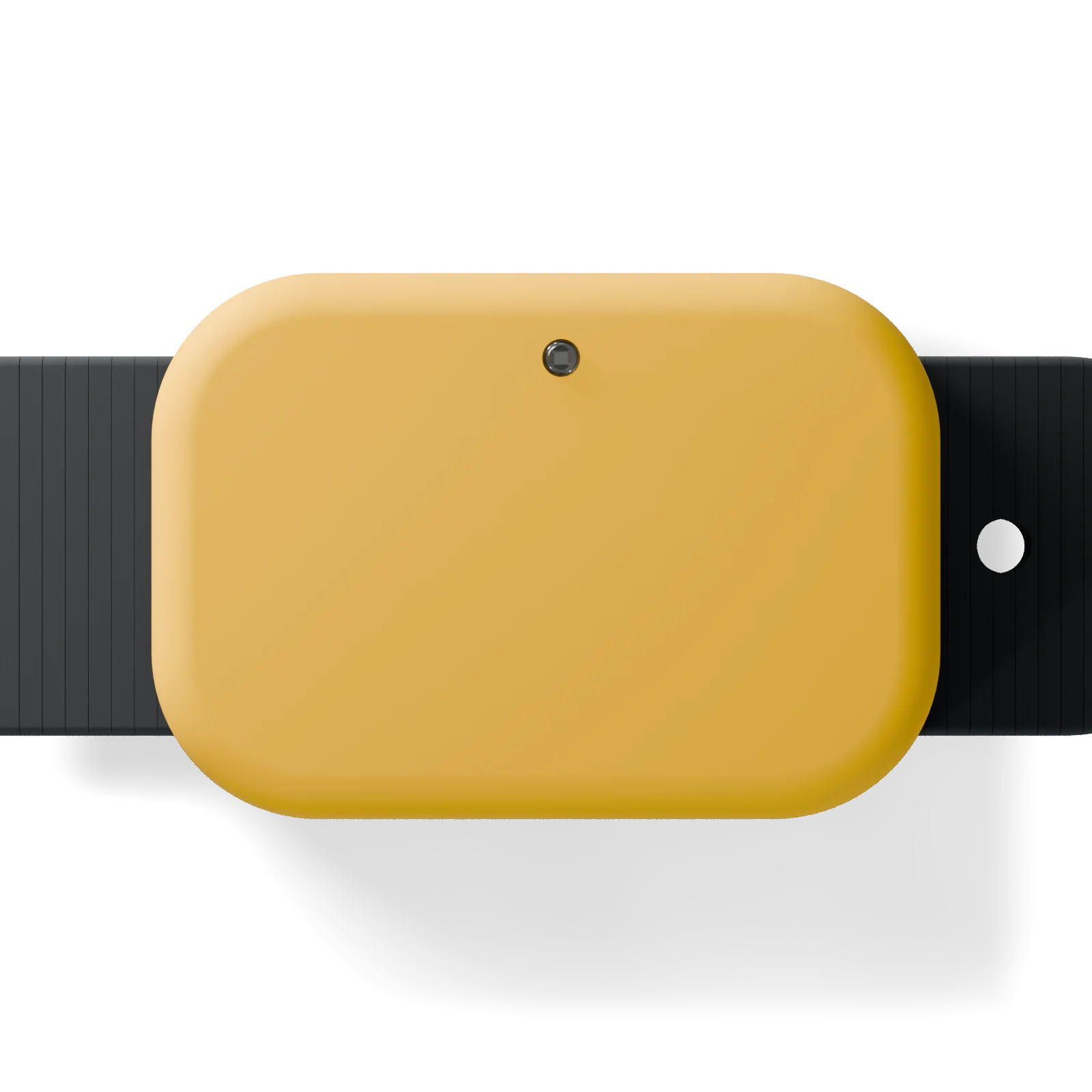
Made for how you’ll make it.
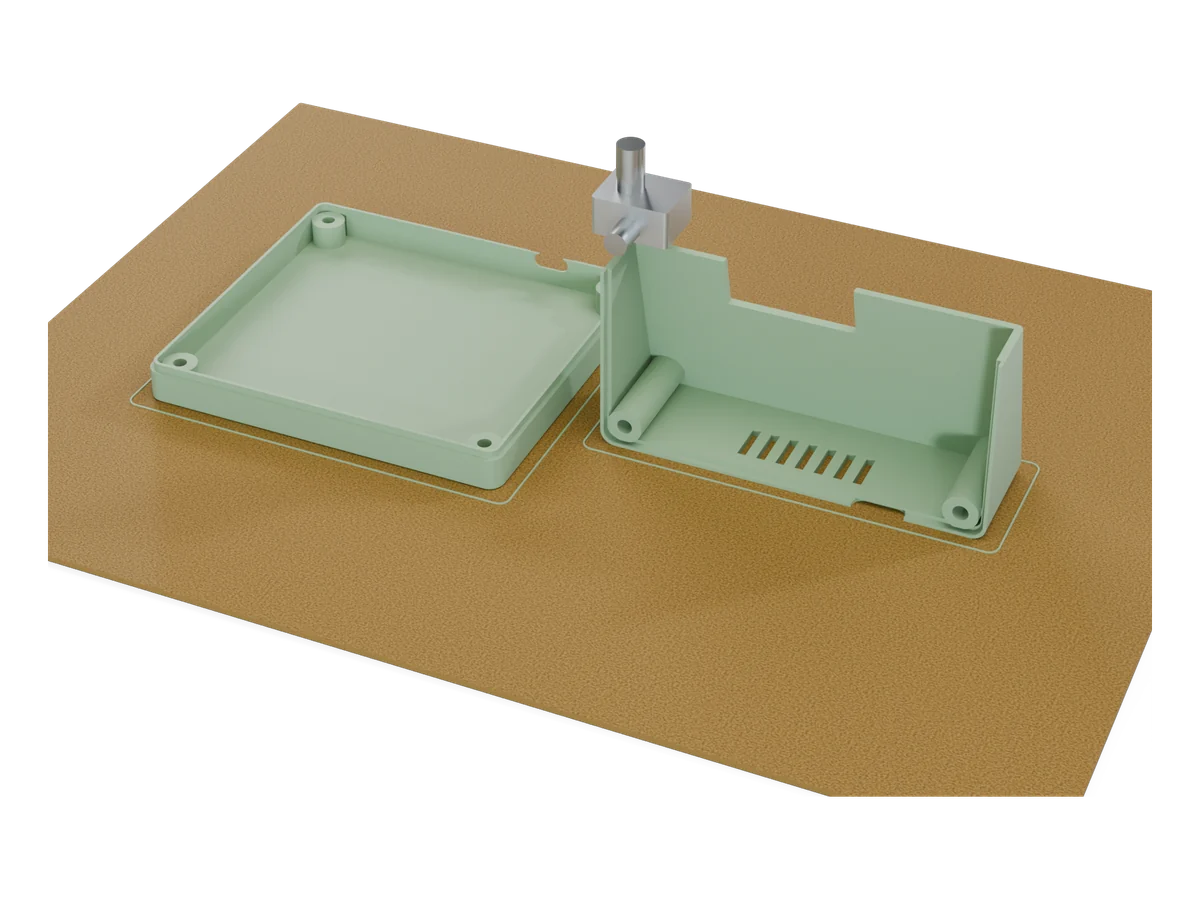
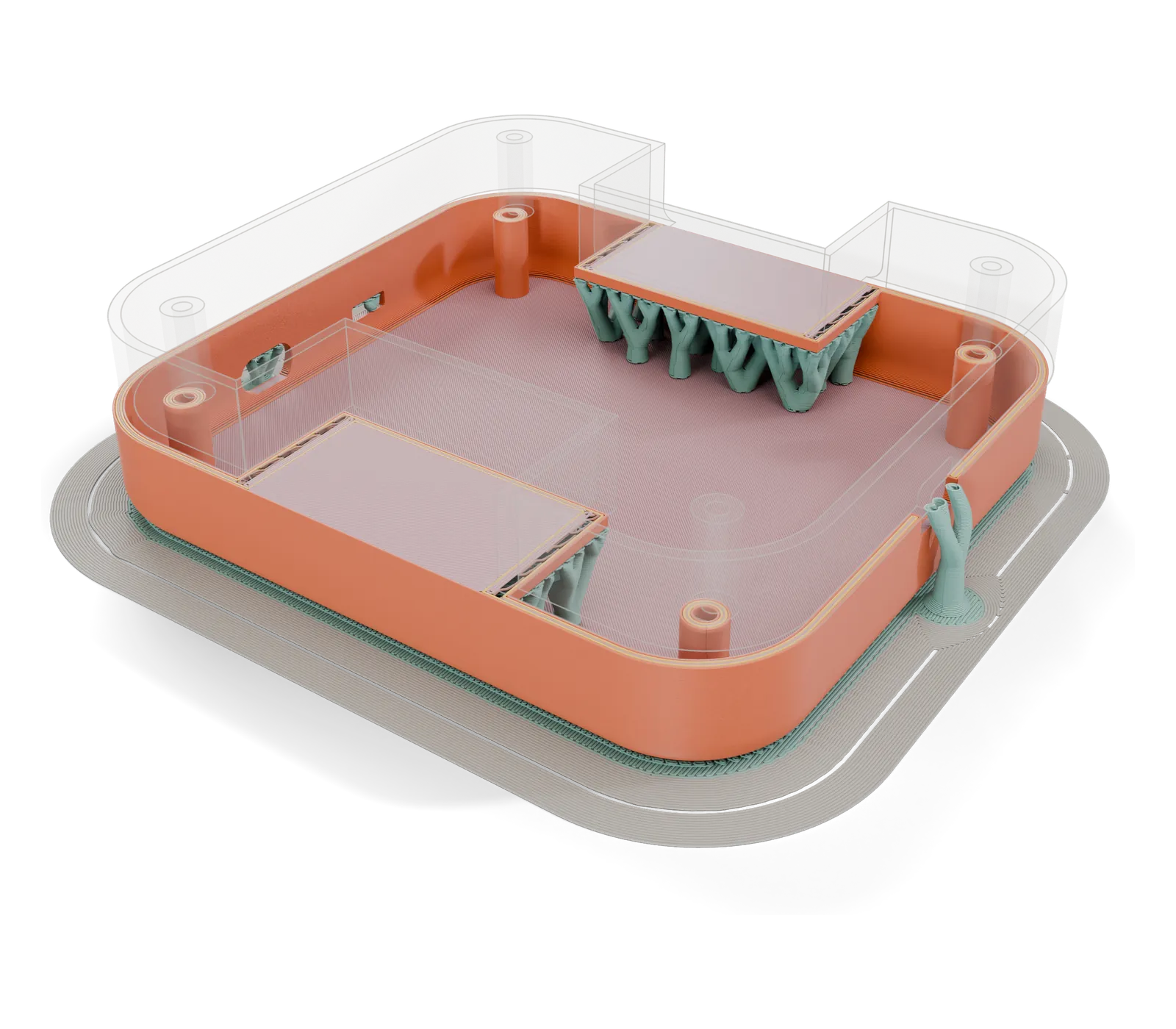
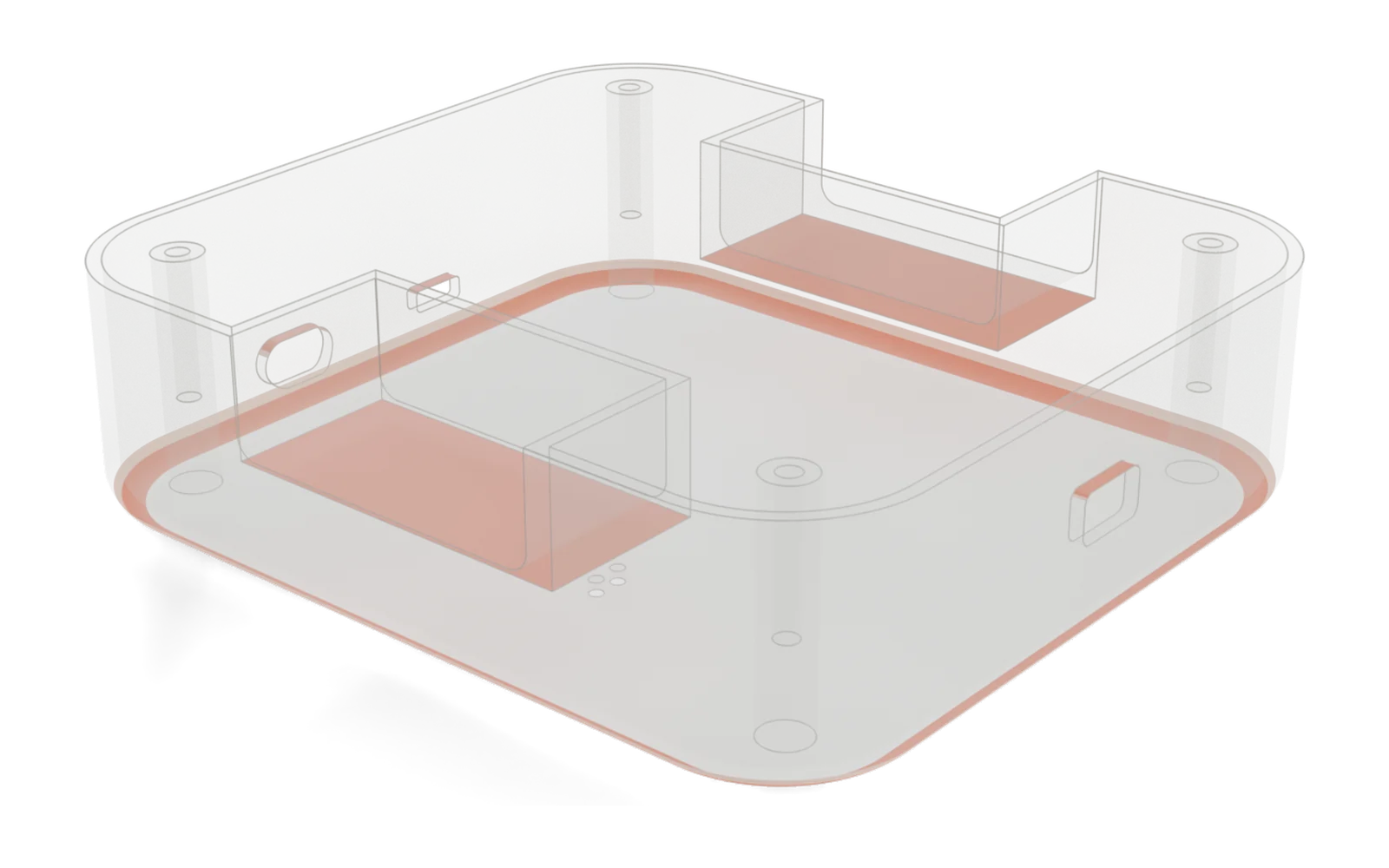
Print it at home or send it to a factory. Every part is checked for the way it will be made.
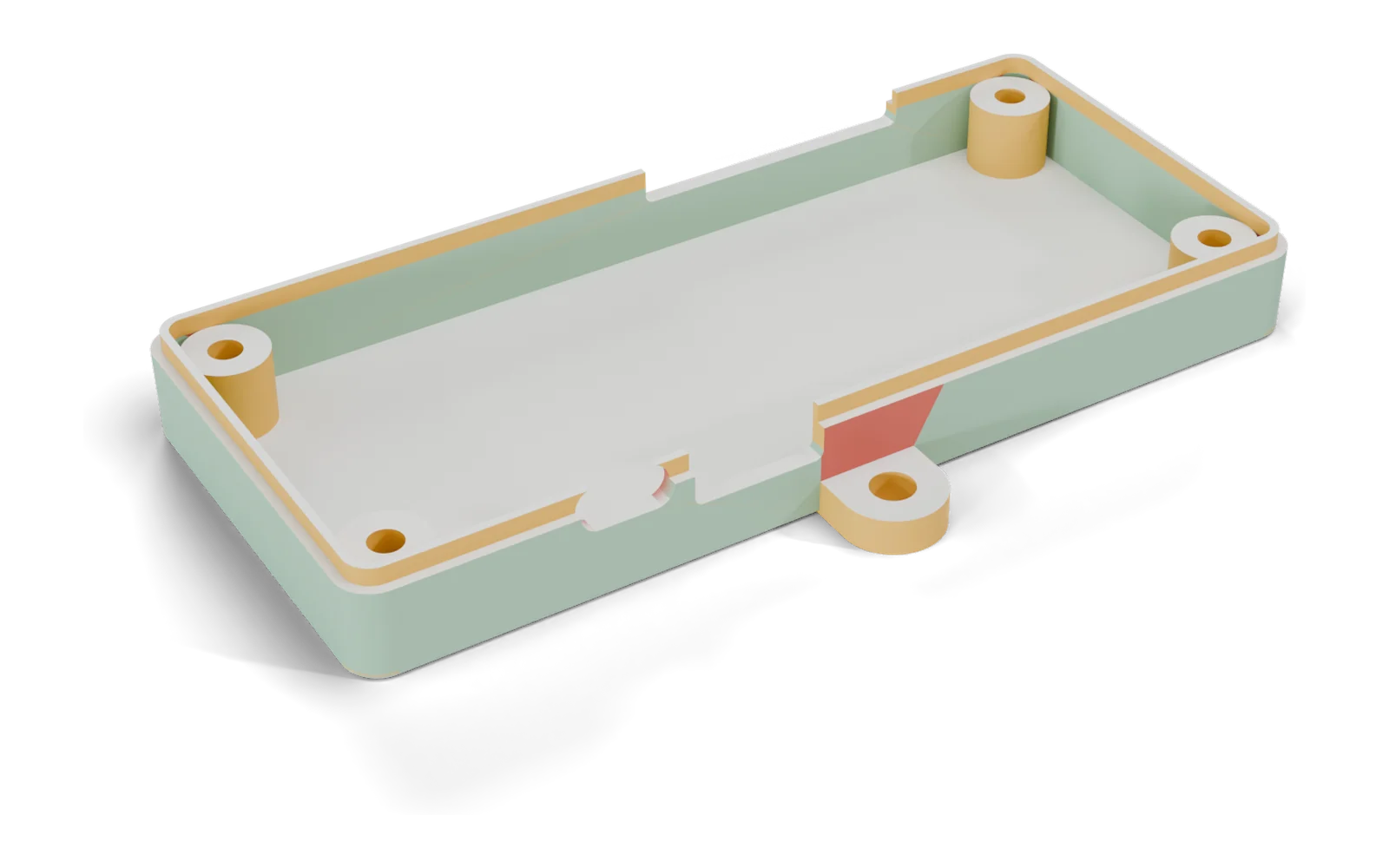
- Drafted
- No draft
- Undercut
Made for the printer you already own.
Tinkered slices for 22 printers from these makers.












Beyond the case.
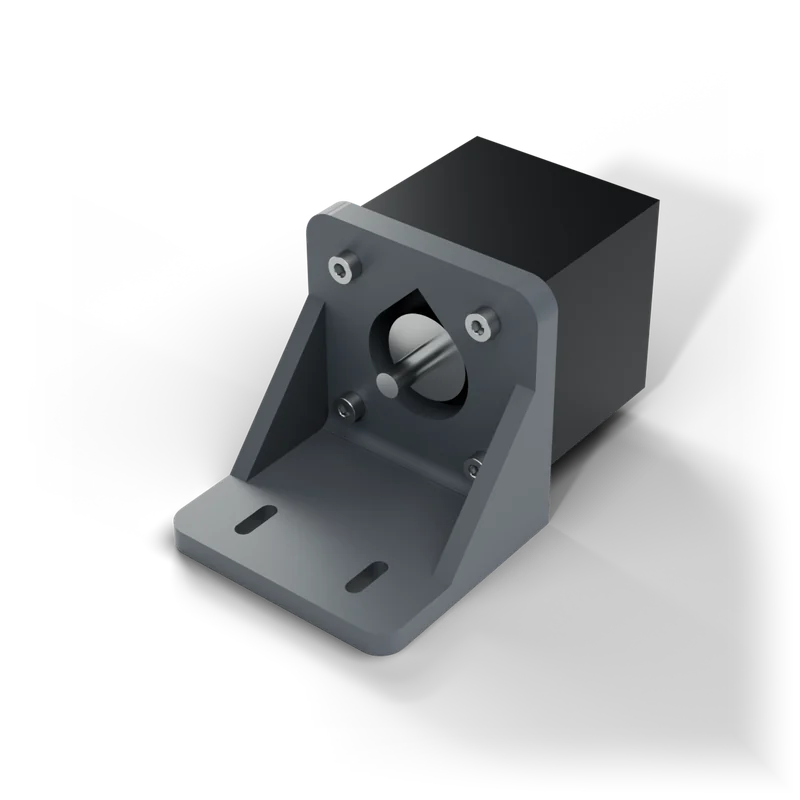
Brackets, mounts and mechanisms too. Every model is code you can read and edit.
- Aluminium bracket
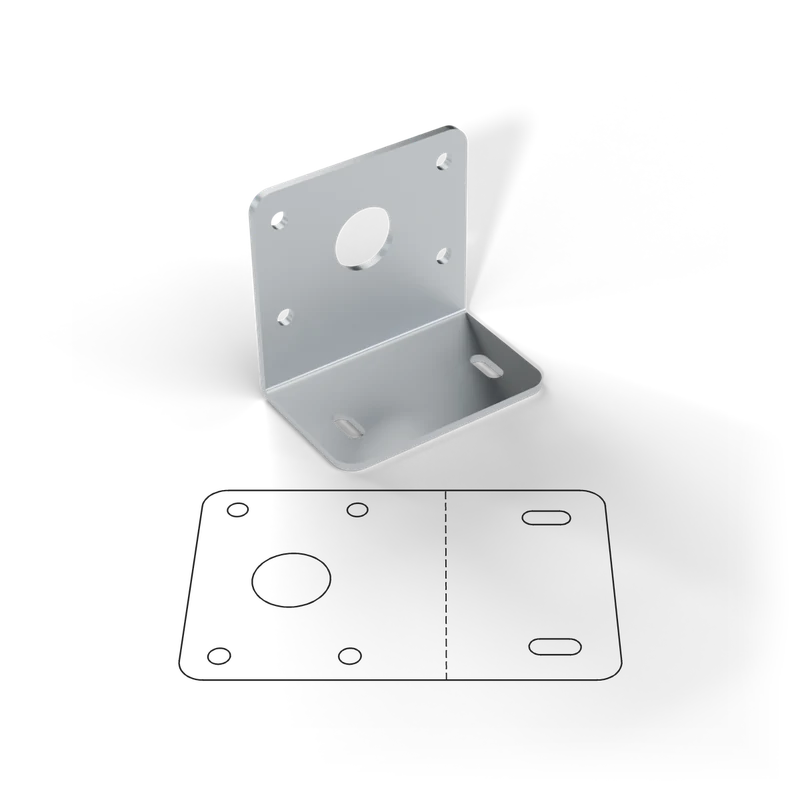
- Stepper motor mount
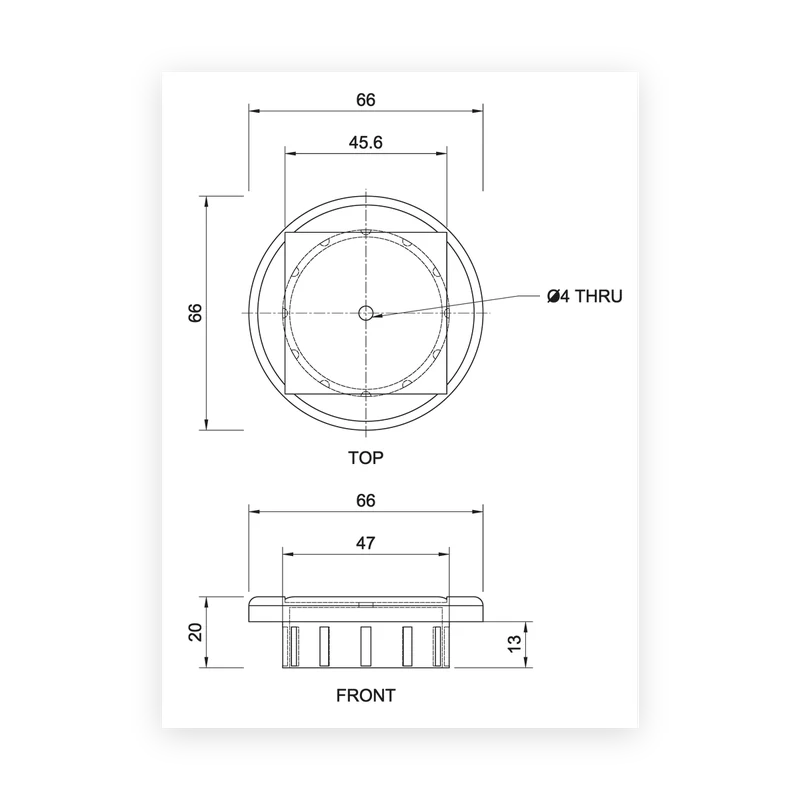
- Engineering drawing
Questions, answered.
Does Tinkered design the case around my board?
Yes. The case takes its size, posts and openings from your actual board and every part on it. Each connector gets an opening its plug seats through, each button a cap that reaches its switch, each LED a way out for its light and each display its window. Change the board and the case is rebuilt to match, and fitted again.
How do I know it will fit before I print?
Every case is measured against the board in millimetres: plugs seat, buttons reach their switches, light gets out, the board drops in and is held, and nothing collides. A second AI reviewer then inspects the finished case before it reaches you. Anything that could not be measured is flagged to you, never counted as a pass.
Does it check how hot it gets inside the case?
Yes. For a board that gives off real heat, Tinkered works out how warm the air inside the case gets, the temperature across the board and at each chip whose datasheet gives its limit, and how much the board warms its own sensors. The board is not released for manufacturing until those checks pass.
Can I print it on my own 3D printer?
Yes. Tinkered checks each part for printing, picks the way it lies on the bed and slices it to G-code for your printer and filament, with the print time and grams before you start. It is set up for 22 popular printers from Bambu Lab, Prusa, Creality, Elegoo, Anycubic, Sovol, Voron, Flashforge and Qidi, in PLA, PETG, ABS, ASA, TPU and PA-CF.
Can it design for injection moulding, not just 3D printing?
Yes. It designs for FDM, resin (SLA) and powder (SLS and MJF) printing, and for injection moulding. Each process sets the walls, holes and clearances the case is built with. For moulding, the walls get their draft and the case is checked for draft and undercuts before it goes to a toolmaker.
Which files do I get?
STEP for any CAD tool or manufacturer, STL and 3MF for printing, G-code sliced for your printer, GLB for the web, DXF for laser cutting and sheet metal, and a dimensioned engineering drawing as a PDF.
Can it work from a box I already have, or a board I didn’t design?
Both. Start from an enclosure you already have and Tinkered lays out the board to fit inside it. Bring a board someone else made, from its maker’s Gerbers, drawing or STEP, and the case is measured from those real files, never guessed from a description.
Can I edit the design myself?
Yes. Every model is readable code, kept in your project. Ask for a change in plain words, or open the model and change any dimension yourself. Either way it is rebuilt and measured again.
Can it design more than enclosures?
Yes. Brackets and mounts built around the real motors and parts they hold, sheet-metal parts with their flat patterns, and mechanisms with joints, exported with their robot description files.