Circuit boards you can trust. Designed by AI, verified by physics.
Real parts, a routed board and its firmware, with every decision checked before it goes to the factory.
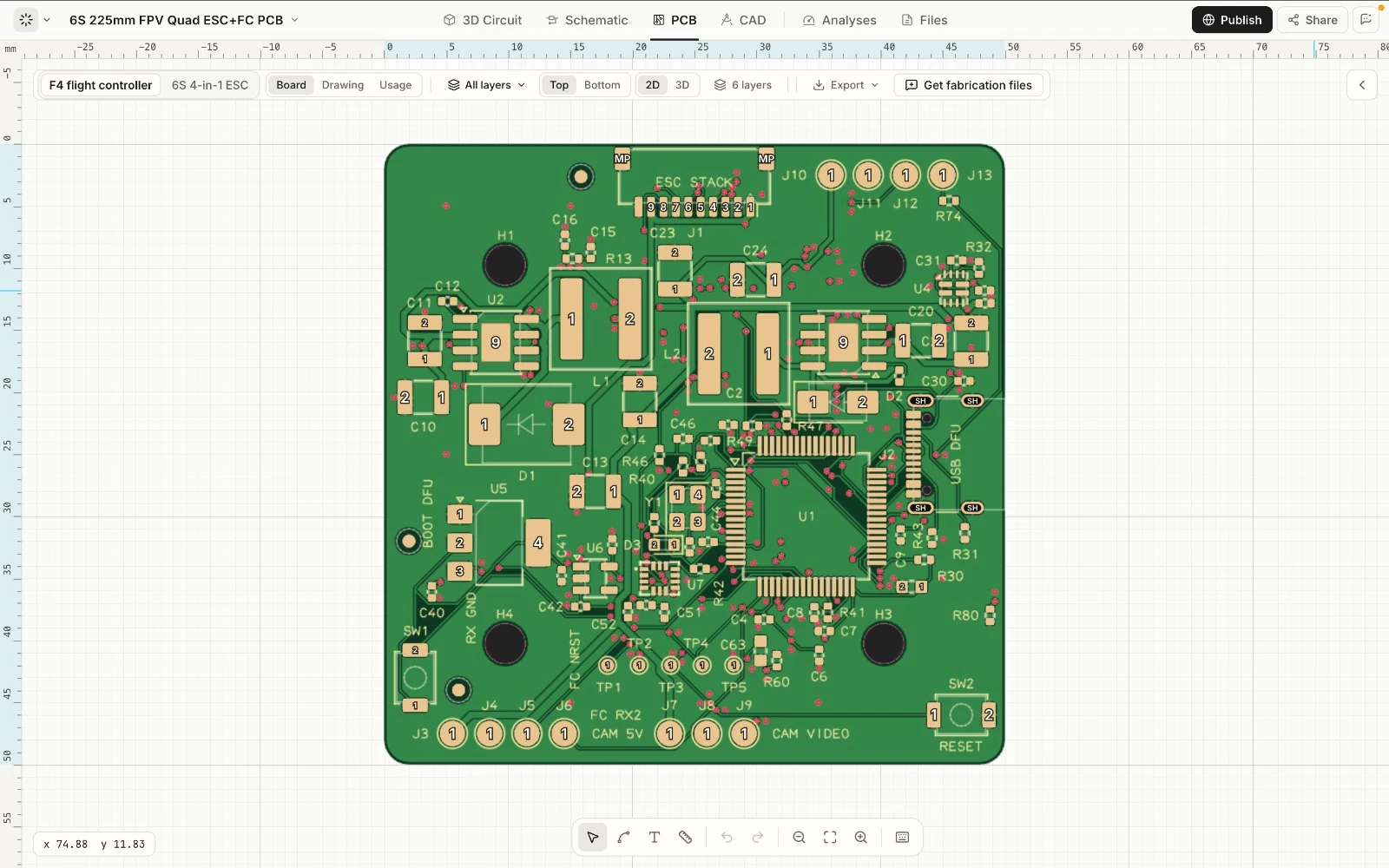
Design the board, prove it works, write its code and get it made.
- Designs the whole boardReal parts, a schematic simulated before it’s built, and a routed board.
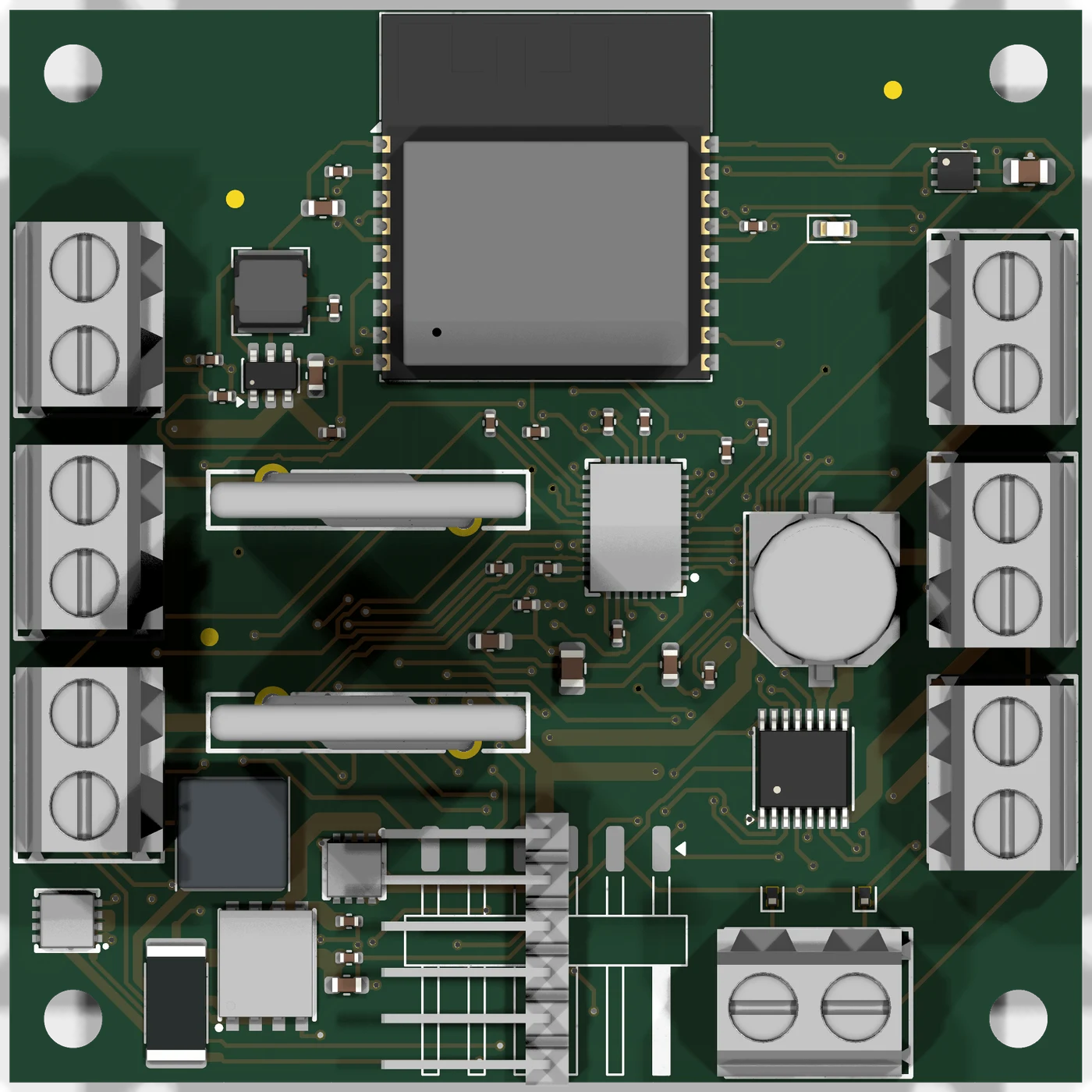
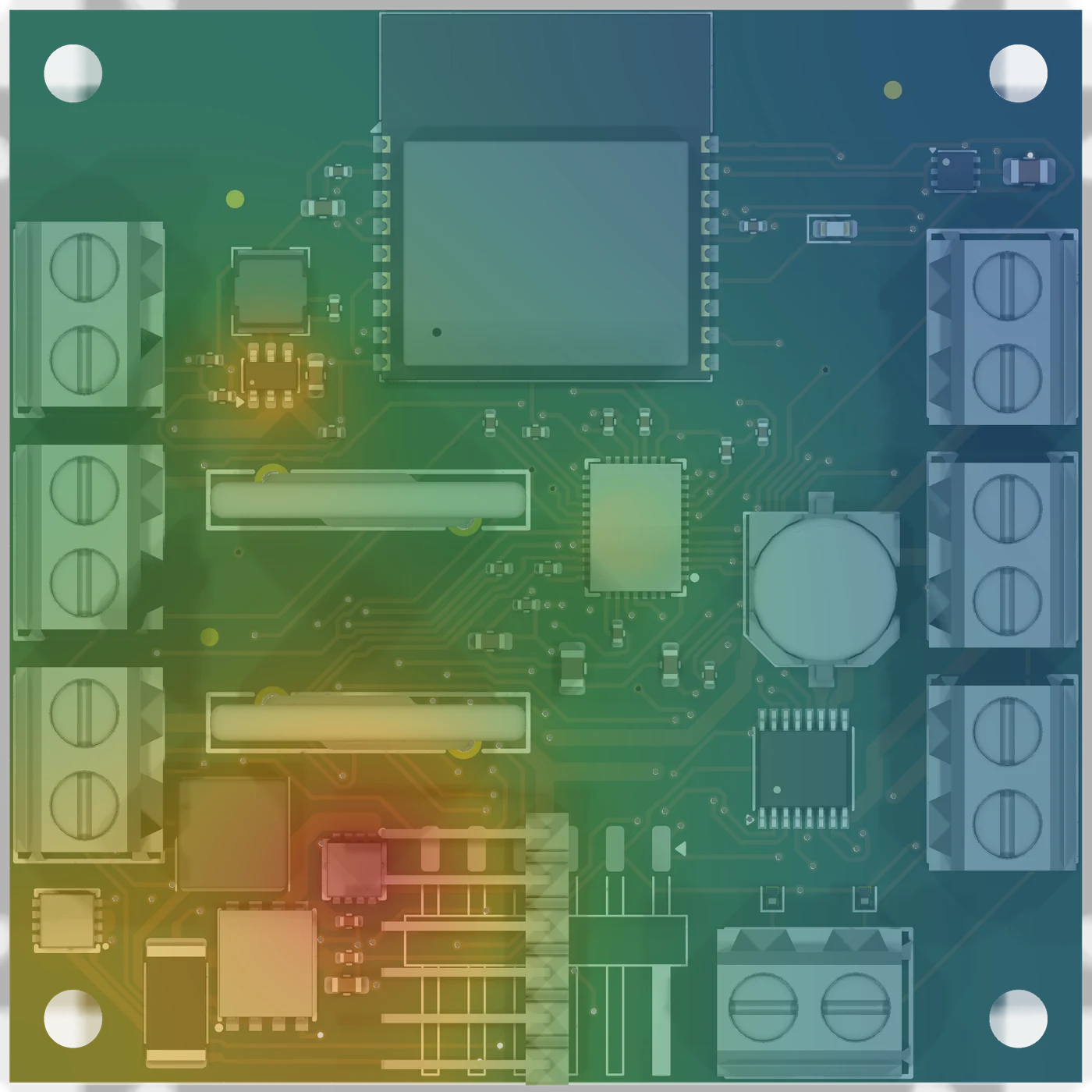
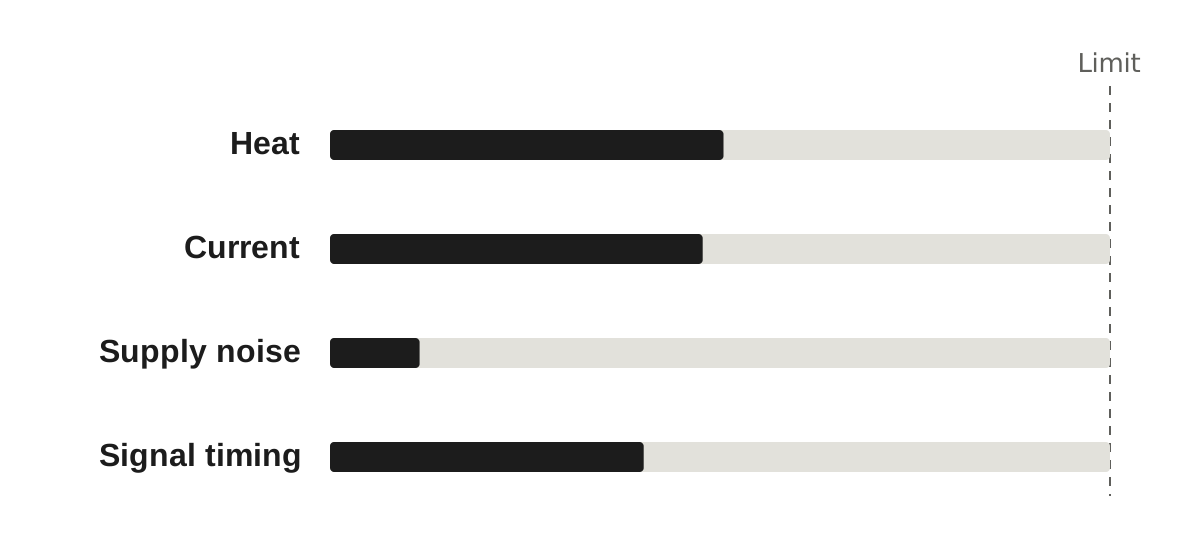
- Proves it with physicsHeat, power and signals computed from the parts’ datasheets, each against its limit.
- Writes its firmwareCode for the board’s own pins, compiled and ready to flash.
#define I2C_SDA_PIN 4
#define I2C_SCL_PIN 5
#define MOTOR_UP_PIN 6
#define MOTOR_DOWN_PIN 7
#define ARM_CLOCK_PIN 10
#define UART_RX_PIN 20
#define UART_TX_PIN 21
#define STATUS_LED_PIN 18
#define FAULT_LATCH_PIN 19
#define LIGHT_ADC_PIN 3
#define BOTTOM_SWITCH_PIN 1
#define TOP_SWITCH_PIN 0
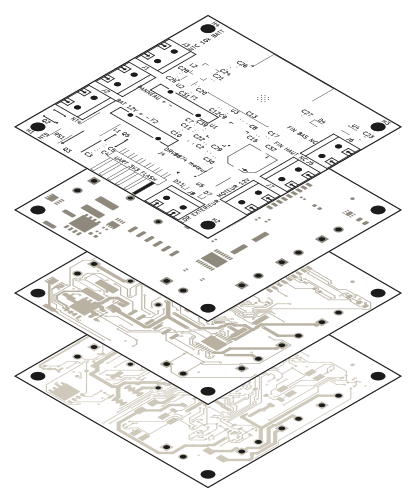
- Ready to manufactureFiles any factory accepts, for the manufacturer you choose.
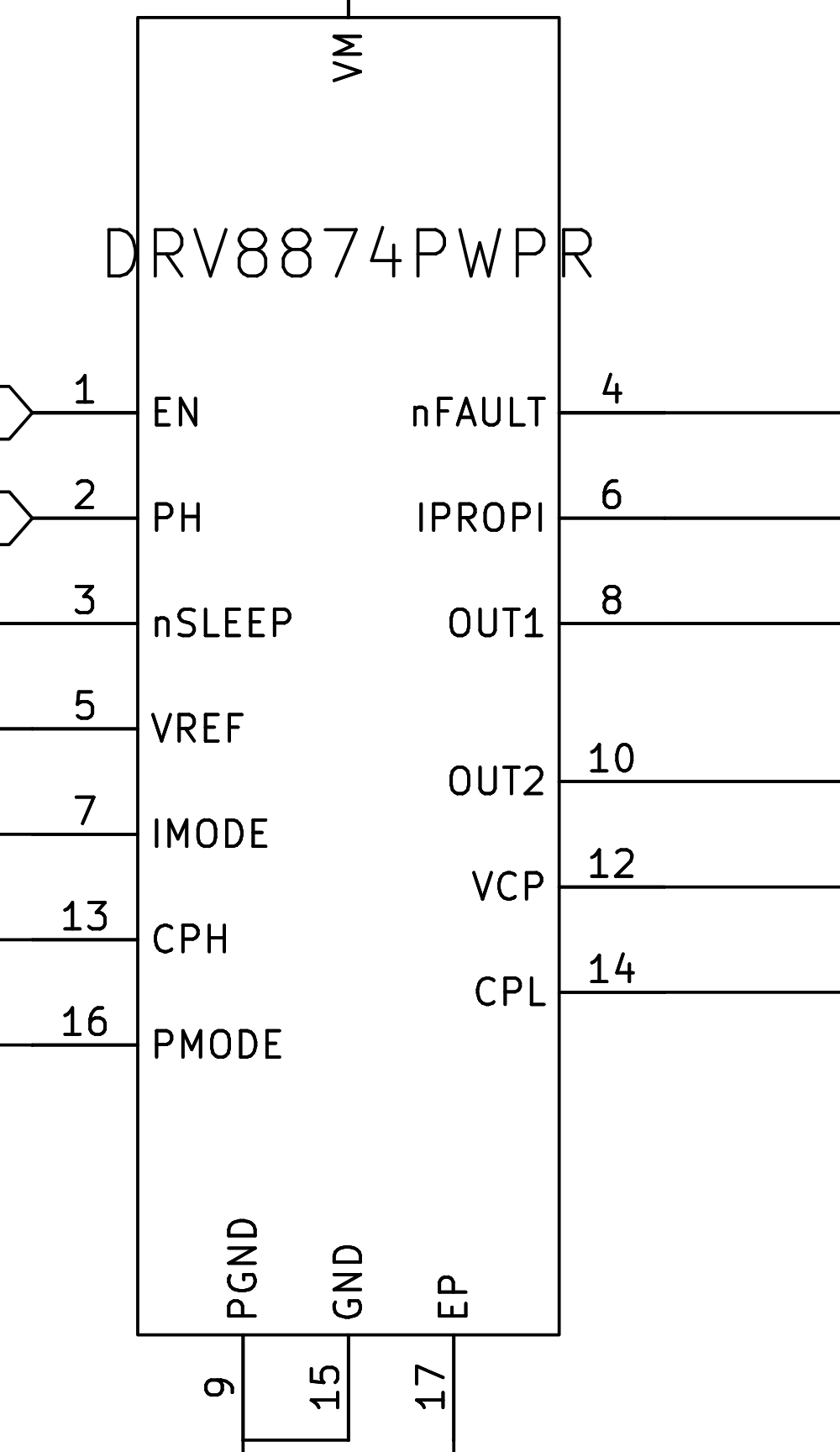
- Symbol
- Footprint

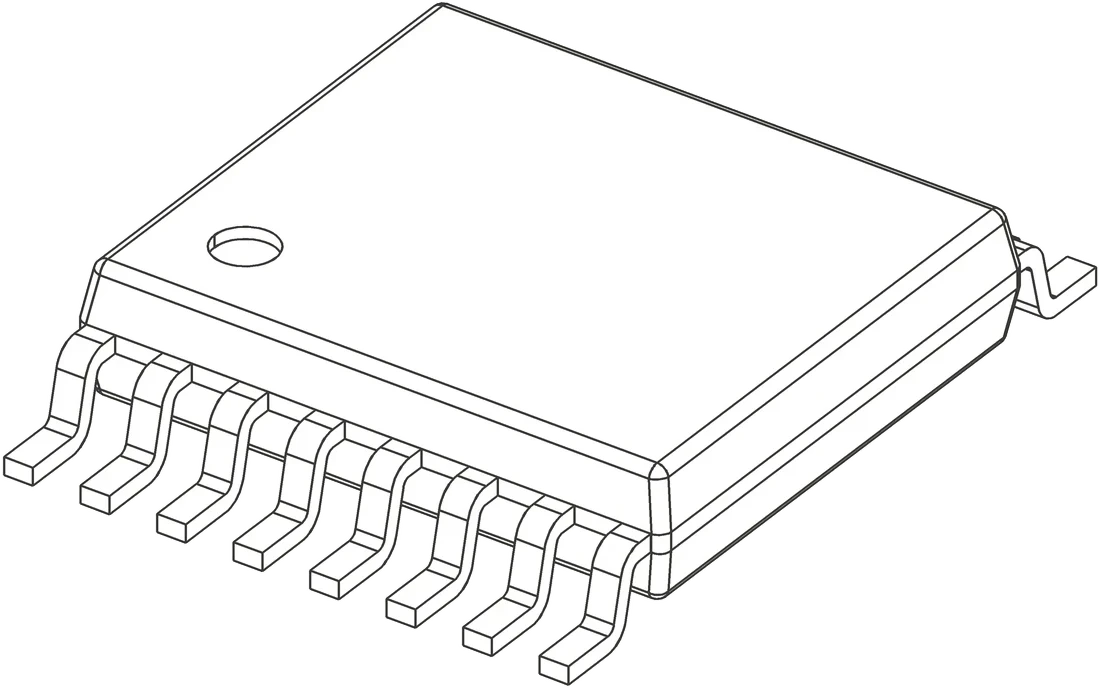
- 3D model
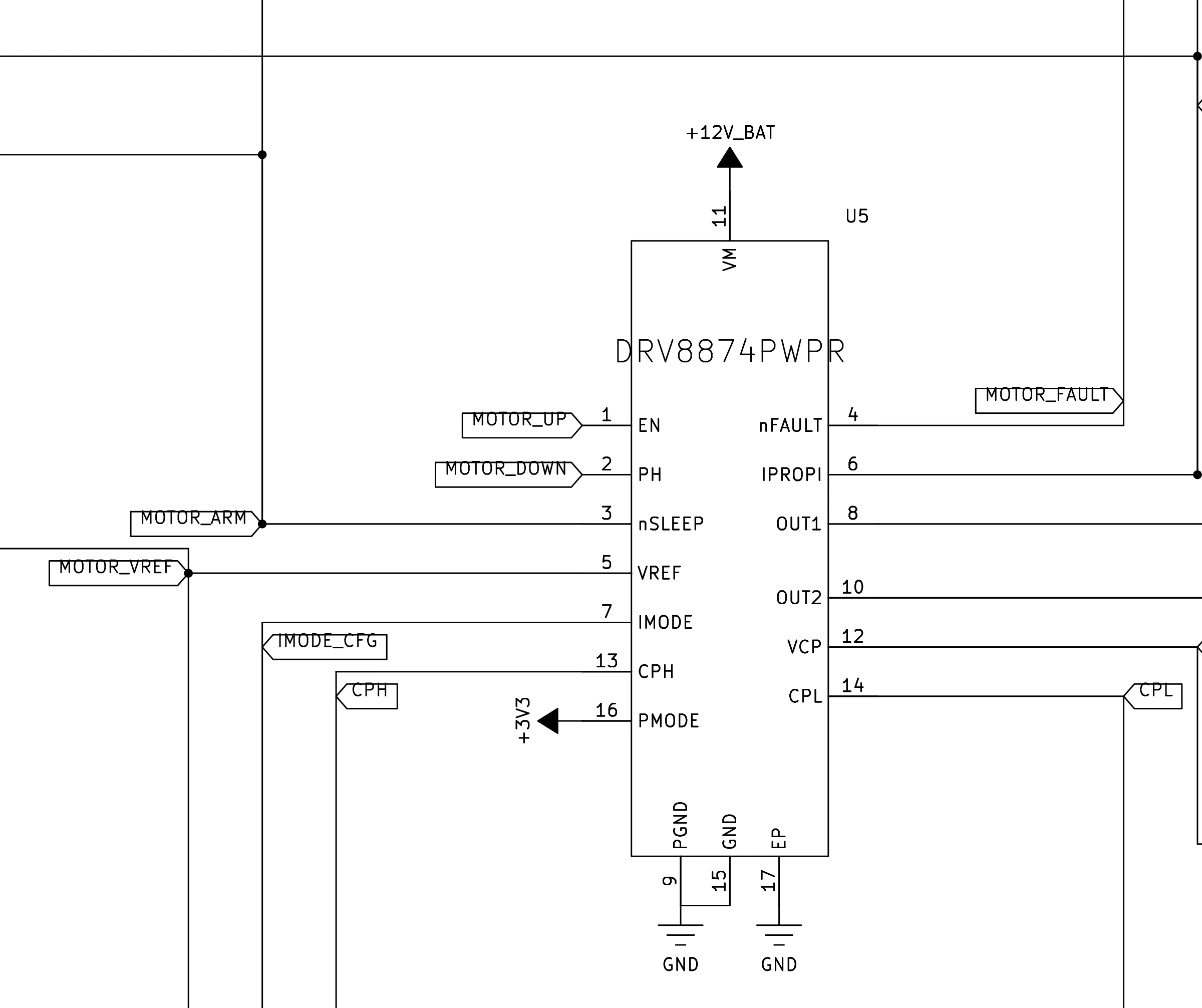
- Schematic
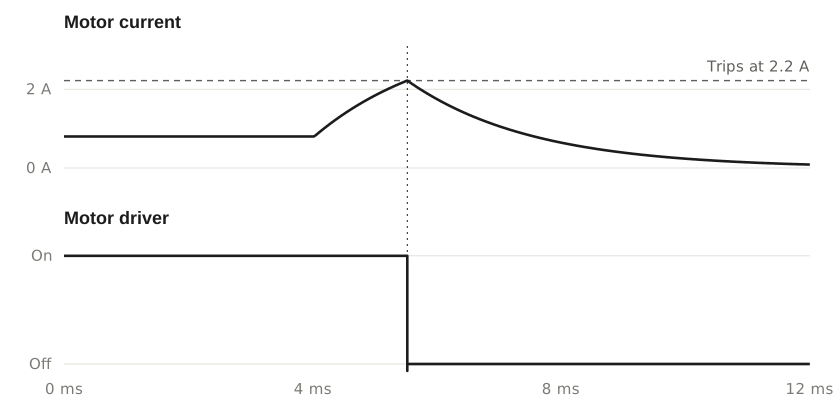
- Simulation
- Placed
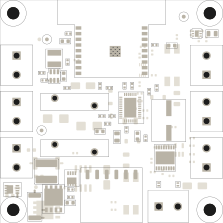
- Routed
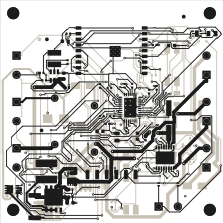
- In 3D
- Heat
- Margins





Already have a design? Start from it.
Bring a schematic or board from the tool you use, a maker’s reference design or just a parts list. Tinkered reads it, checks it and carries on from there.



Also Eagle and PADS boards, a maker’s schematic PDF, or a parts list.
Questions, answered.
What does Tinkered design for my board?
Everything the board needs. Describe what you want to build and Tinkered chooses real parts, draws the schematic and simulates it, lays out and routes the board, writes its firmware, checks the design against physics and prepares the files a factory needs to make it.
Are the parts real, and can I buy them?
Yes. Tinkered chooses from millions of real parts sold by the major distributors, and keeps only parts still in production. Every pin is matched to the part’s datasheet, and each part comes with its symbol, footprint and 3D model.
How do I know the board will work?
Tinkered checks it at every step. Design rules check the schematic as it is drawn, the circuit is simulated before a board exists, and the finished board is verified for heat, power, signals and tolerances, computed from the parts’ own datasheets. Nothing goes to the factory until every required check passes.
Which manufacturers can make my board?
Any of them. Tinkered writes the Gerbers, drill files, parts list and placement file in the formats JLCPCB, PCBWay, Elecrow, Seeed Studio and OSH Park ask for, and as standard files any other shop accepts.
Can I start from a design I already have?
Yes. Bring a schematic or board from KiCad, Altium, Eagle, PADS or EasyEDA, a maker’s schematic PDF, or a parts list. Tinkered reads it, checks it and carries on from there.
Does Tinkered write the firmware too?
Yes. Tinkered writes the code from the board’s own pins and parts and compiles it for its microcontroller, from ESP32 and STM32 to RP2040 and AVR. You flash it to your board from the browser.