Wireless streaming camera
Serve a live MJPEG video feed over Wi-Fi from the OV2640, an ESP32-CAM style build in a much smaller footprint.
A thumb-sized ESP32-S3 development board that pairs 2.4GHz Wi-Fi and BLE with a detachable OV2640 camera, digital microphone, and microSD slot for on-device AI, vision, and audio.
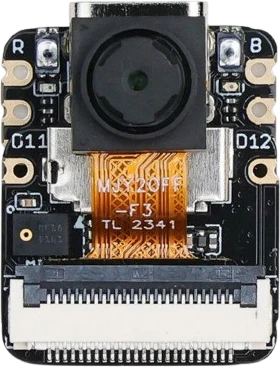
The XIAO ESP32-S3 Sense is built around Espressif's ESP32-S3R8, a dual-core Xtensa LX7 32-bit processor that runs at up to 240 MHz with 8MB of flash and 8MB of PSRAM. It carries a complete 2.4GHz Wi-Fi radio plus Bluetooth Low Energy 5.0, giving a single tiny board both wireless connectivity and enough headroom for machine-learning workloads. The base board keeps the classic XIAO footprint, so it drops into space-constrained and wearable projects.
The 'Sense' name comes from the detachable expansion board that clips onto the main module. It adds an OV2640 camera (1600x1200), a PDM digital microphone, and a microSD/TF card slot that accepts FAT-formatted cards up to 32GB. That combination makes the board a popular choice for TinyML and edge AI: image classification, wake-word and keyword spotting, and camera-based detection all run locally, and captured frames or audio can be logged straight to the SD card.
Makers program it with the Arduino core or MicroPython over the USB-C port, which also powers the board and charges an attached lithium battery through the onboard charge circuit. A U.FL connector accepts an external antenna for extended Wi-Fi and BLE range, and 11 GPIO (9 with ADC, 12-bit resolution) break out I2C, SPI, and UART for external sensors and peripherals.
| Pin | Function | Type |
|---|---|---|
D0 D0 (GPIO1) | Analog · Digital · PWM | Bidirectional (GPIO) |
D1 D1 (GPIO2) | Analog · Digital · PWM | Bidirectional (GPIO) |
D2 D2 (GPIO3) | Analog · Digital · PWM | Bidirectional (GPIO) |
D3 D3 (GPIO4) | Analog · Digital · PWM | Bidirectional (GPIO) |
D4 D4 / SDA (GPIO5) | Analog · Digital · PWM · I²C SDA | Bidirectional (GPIO) |
D5 D5 / SCL (GPIO6) | Analog · Digital · PWM · I²C SCL | Bidirectional (GPIO) |
D6 D6 / TX (GPIO43) | Digital · PWM · UART TX | Bidirectional (GPIO) |
5V 5V / VBUS | Power | Power in |
GND GND | Power | Power in |
3V3 3V3 | Power | Power out |
D10 D10 / MOSI (GPIO9) | Analog · Digital · PWM · SPI MOSI | Bidirectional (GPIO) |
D9 D9 / MISO (GPIO8) | Analog · Digital · PWM · SPI MISO | Bidirectional (GPIO) |
D8 D8 / SCK (GPIO7) | Analog · Digital · PWM · SPI SCK | Bidirectional (GPIO) |
D7 D7 / RX (GPIO44) | Digital · PWM · UART RX | Bidirectional (GPIO) |
Verified from the Tinkered component library · Seeed Studio.
The ESP32-S3 runs on 3.3V logic. Wiring a 5V sensor output or module directly to a GPIO can damage the chip. Use a level shifter or a 3.3V-native part.
Camera capture relies on the 8MB PSRAM. If you forget to enable PSRAM (OPI mode) and pick the correct XIAO_ESP32S3 board and a camera-friendly partition scheme in the Arduino IDE, sketches return a 'camera init failed' error.
The OV2640 camera and the microSD slot consume many of the board's GPIOs when the expansion is attached. Assigning those same pins to your own peripherals breaks the camera or SD card.
The base XIAO ESP32-S3 has no camera, microphone, or SD slot. Those three features live only on the Sense expansion board, which must be clipped on.
Without the external antenna seated on the U.FL connector, Wi-Fi and BLE range collapse and transmit bursts can cause brownouts. Attach the supplied antenna before relying on wireless.
Serve a live MJPEG video feed over Wi-Fi from the OV2640, an ESP32-CAM style build in a much smaller footprint.
Train a model in Edge Impulse and run inference on-device so the board recognizes objects or gestures from the camera without a cloud connection.
Use the onboard PDM microphone to detect wake words or simple voice commands locally for hands-free control.
Trigger captures on motion, timestamp the JPEGs, and log them to the microSD card while running from a lithium battery.
Read external I2C sensors, broadcast readings over Bluetooth Low Energy 5.0, and deep-sleep between samples on a single LiPo cell.
Combine camera capture, on-device person detection, and Wi-Fi notifications for a compact DIY doorbell or entry monitor.
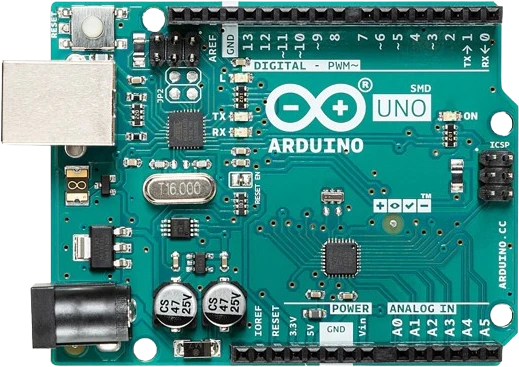
arduino-unoATmega328P · 5V logic
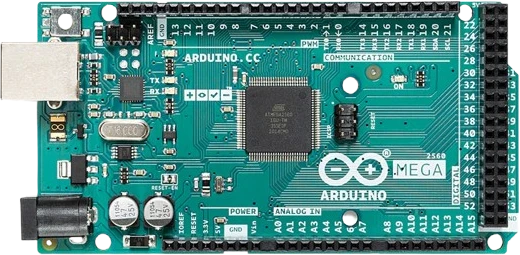
arduino-megaATmega2560 · Expanded I/O
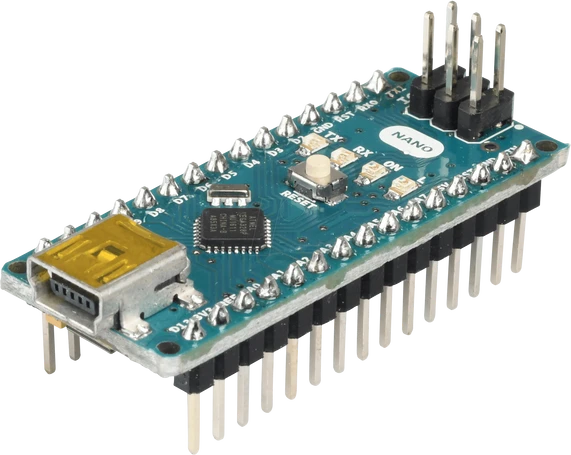
arduino-nano-v3ATmega328P · Compact format
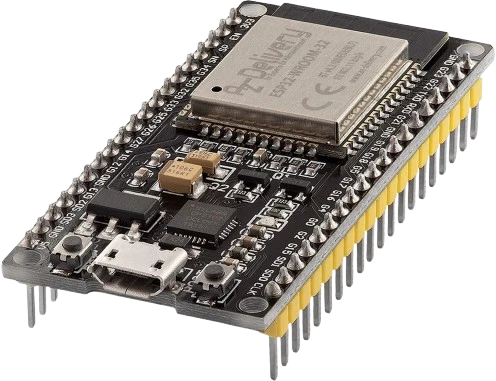
esp32-devkitWi-Fi + Bluetooth
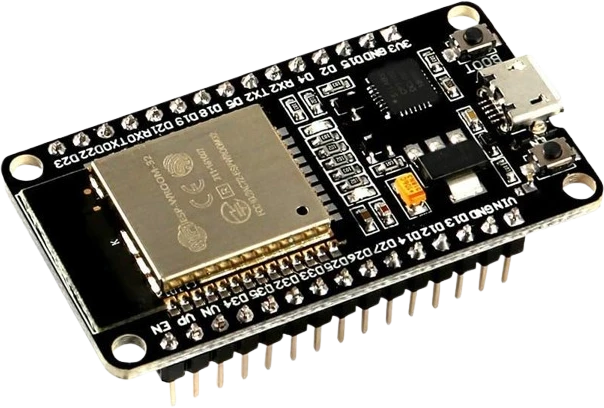
esp32-devkit-v1DOIT · 30-pin
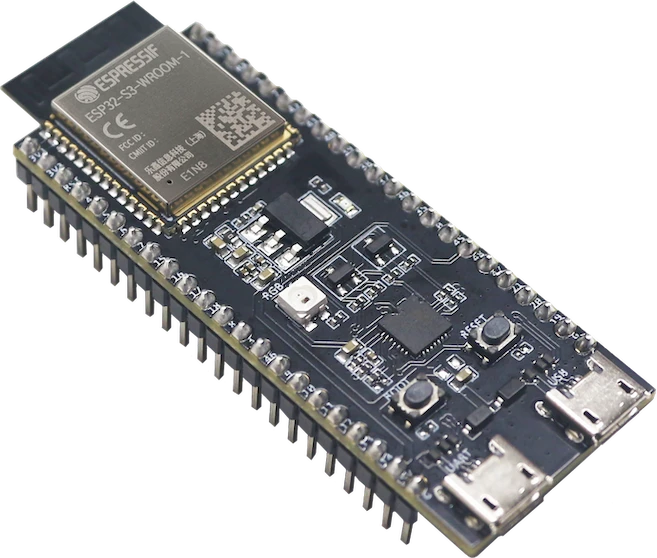
esp32-s3-wroom-freenoveFreenove development board
Drop the XIAO ESP32-S3 Sense into a circuit, write firmware, and simulate it in your browser, then deploy to real hardware. All in one editable Tinkered project.