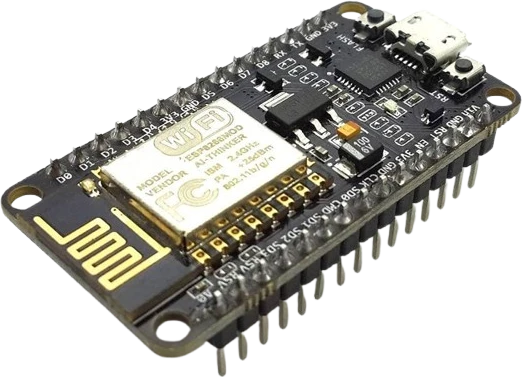
Low-power weather and sensor dashboard
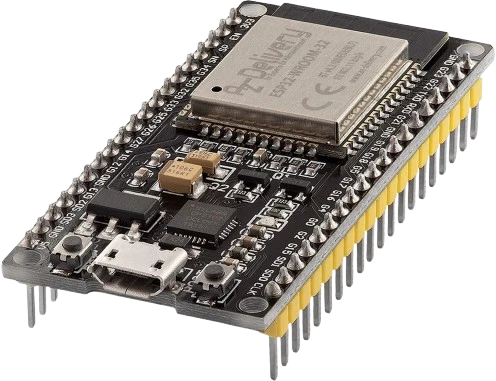
Pair with an ESP32 or Raspberry Pi to show temperature, humidity, and forecast data, updating every few minutes and sleeping in between for long battery life.
A 2.9-inch, 296x128 black-and-white E-Ink module that holds its image with zero power and updates over SPI.
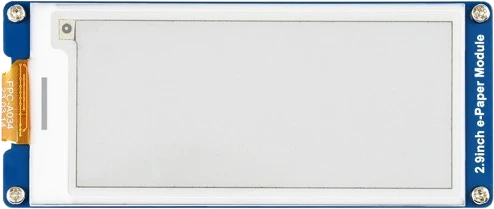
The Waveshare 2.9-inch e-Paper (V2) is a reflective electrophoretic display module built around a 296x128 monochrome E-Ink panel driven by the SSD1680 controller over SPI. Like paper, it is bistable and reflective: it needs no backlight, stays readable in direct sunlight from nearly any angle, and retains the last image indefinitely after power is removed.
The panel shows two levels only, pure black and white (1-bit), across an active area of about 66.89 x 29.05 mm with a pixel pitch near 0.227 mm. It runs from 3.3V or 5V and is written to over a one-directional 4-wire SPI bus (DIN/CLK/CS) plus a data/command line (DC), an active-low reset (RST), and a BUSY status output. A full refresh takes roughly 2 seconds and flashes the whole screen black and white to clear the image, while partial refresh updates a region in about 0.3 seconds without the flash.
Its strength is ultra-low power: the display draws current only while refreshing and effectively nothing while showing a static image, which makes it well suited to battery and IoT dashboards, shelf labels, and status panels. The tradeoff is speed. The slow refresh and lack of grey shades or backlight make it a poor fit for animation, video, or anything that changes many times per second.
| Pin | Function | Type |
|---|---|---|
VCC VCC (3.3-5V) | Power | Power in |
GND GND | Power | Power in |
DIN DIN (MOSI) | SPI MOSI | Digital input |
CLK CLK (SCK) | SPI SCK | Digital input |
CS CS | SPI CS, active low | Digital input |
DC DC | SPI data/command select — high data, low command | Digital input |
RST RST | Digital active-low reset | Digital input |
BUSY BUSY | Digital busy status — HIGH while the SSD1680 refreshes | Digital output |
Verified from the Tinkered component library · Waveshare.
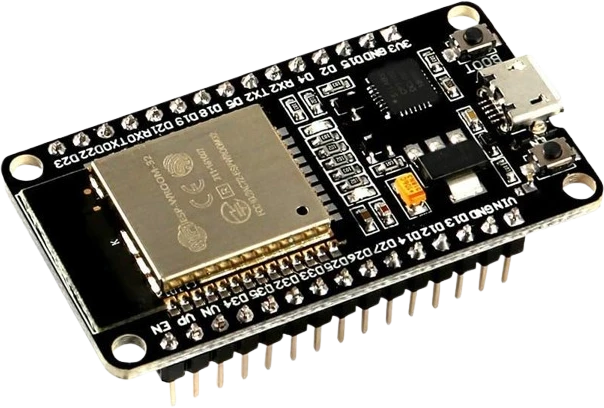
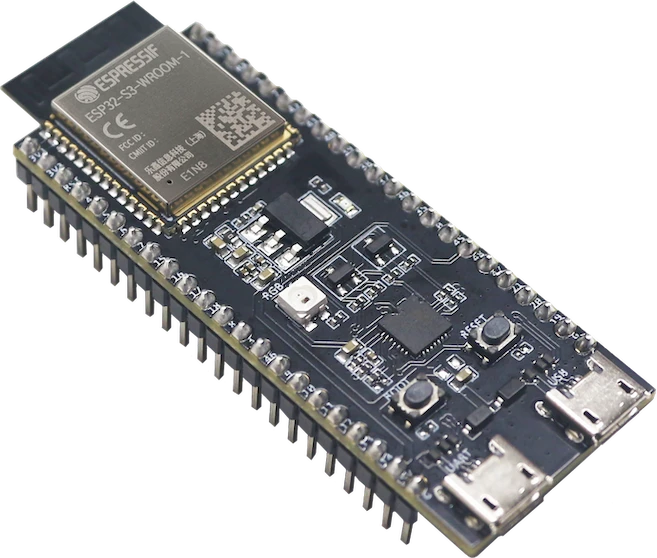
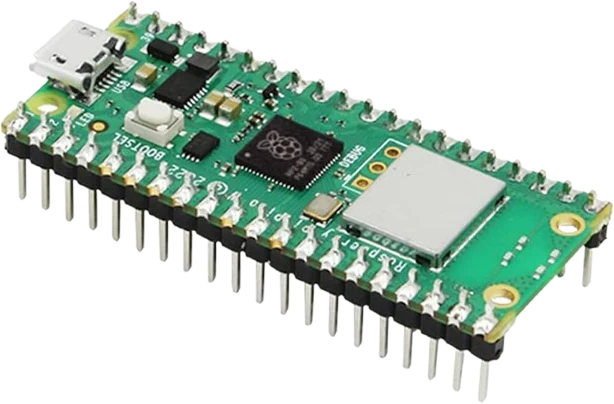
The E-paper 2.9-inch connects to any of the microcontrollers supported in Tinkered. Mind the 3.3 V logic level on 3.3 V boards.
Sending the next SPI command while BUSY is still HIGH interrupts an in-progress refresh and garbles the screen. On the SSD1680, BUSY HIGH means busy, which is the opposite polarity of some older e-paper controllers, so double-check the sense in your driver.
Partial refresh is fast but leaves faint residual images (ghosting) that build up over time. You must run a periodic full refresh to flush the panel and restore clean contrast.
E-paper is meant for occasional updates. Continuously refreshing or holding the panel in an active state instead of putting it to sleep between updates can permanently damage the display.
With a roughly 2-second full refresh and 0.3-second partial refresh, the display cannot do smooth motion or video. It is built for static screens that change occasionally.
This V2 module uses the SSD1680 controller, not the older V1 driver. Loading a V1 library, the wrong init sequence, or a mismatched waveform LUT results in a blank, faint, or garbage image.
Pair with an ESP32 or Raspberry Pi to show temperature, humidity, and forecast data, updating every few minutes and sleeping in between for long battery life.
Display a name, QR code, or logo that stays on screen with no power draw, so a small coin cell lasts for the whole event.
A wall-mounted ESP32 panel that pulls your agenda or task list and repaints once or twice a day.
Show prices or part numbers on a reflective screen that holds the last image indefinitely and only wakes to update.
Report device state, network status, or sensor readings from a deep-sleeping microcontroller node that only powers the display during an update.
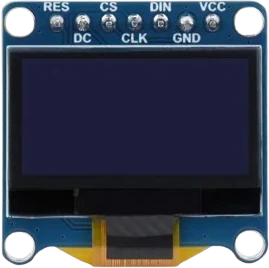
oled-128x64Monochrome I²C display
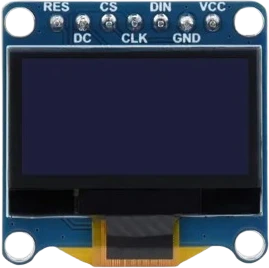
oled-sh1107-128x128Square monochrome OLED
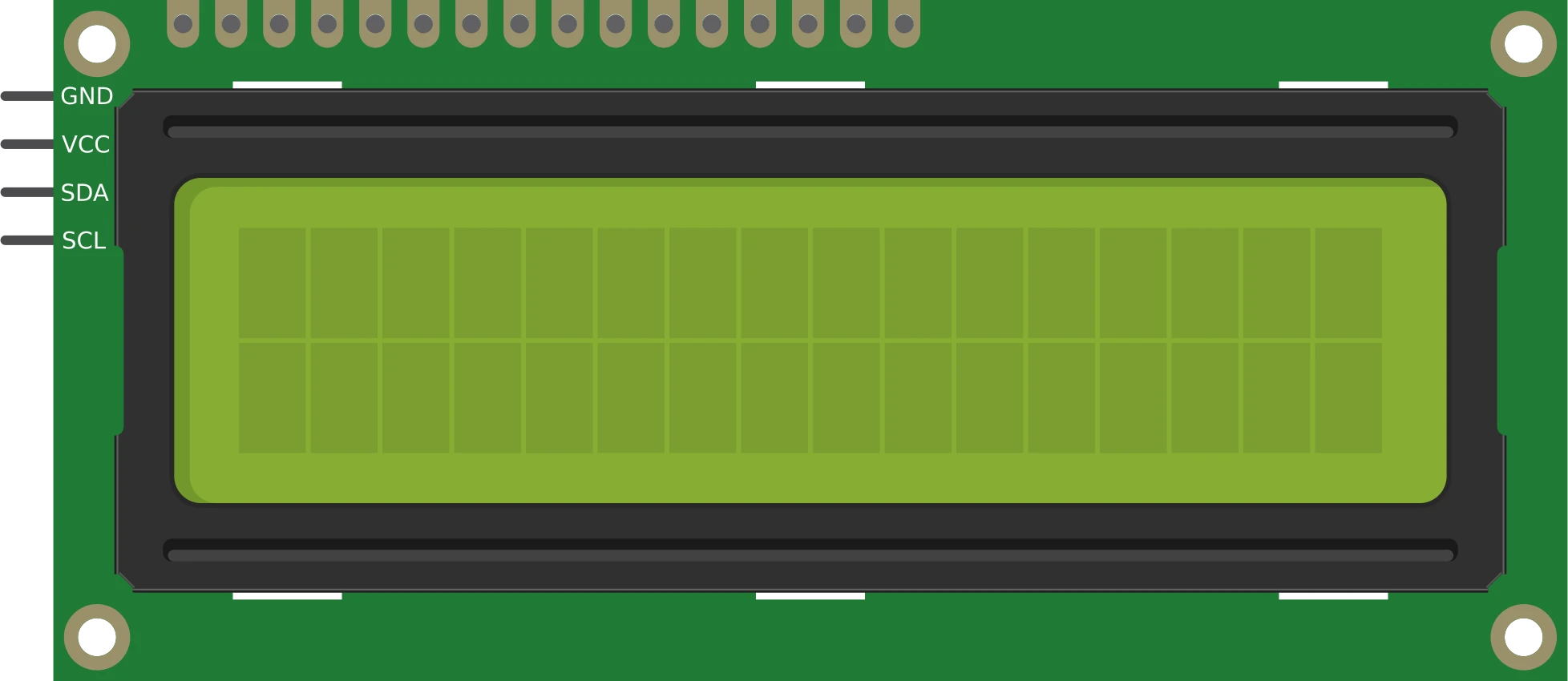
lcd-1602-i2c16×2 character display
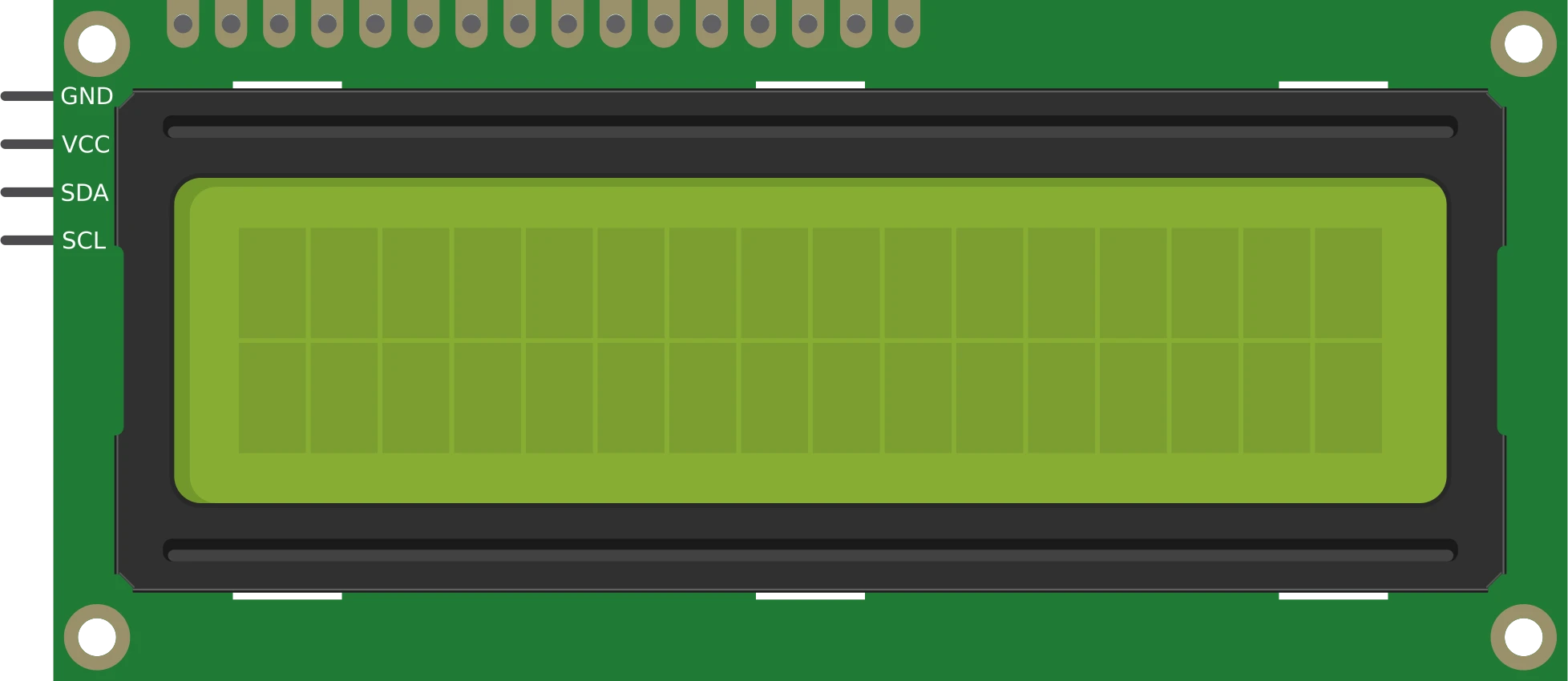
lcd-1602-parallel16×2 character display
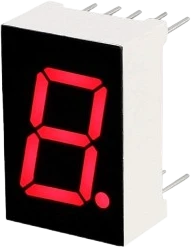
7seg-displaySingle numeric digit
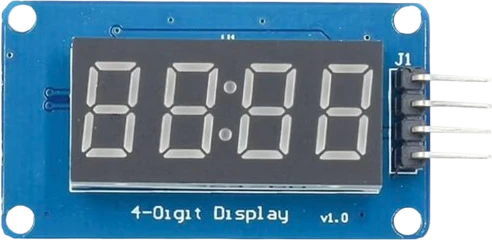
tm1637-4digit-displayFour-digit segment module
Drop the E-paper 2.9-inch into a circuit, write firmware, and simulate it in your browser, then deploy to real hardware. All in one editable Tinkered project.