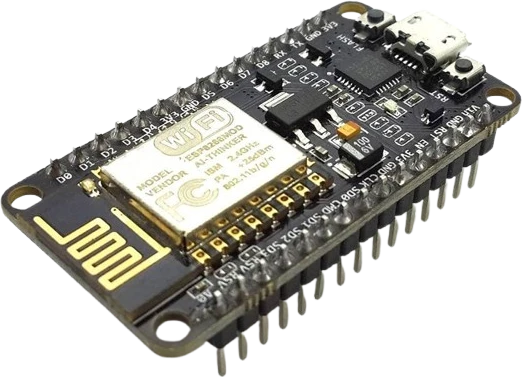
Digital clock
The four digits and built-in center colon make an HH:MM clock straightforward, usually paired with an RTC such as the DS3231 for accurate timekeeping.
A 0.36-inch red 4-digit 7-segment display driven by the Titan Micro TM1637 chip over just two signal wires.
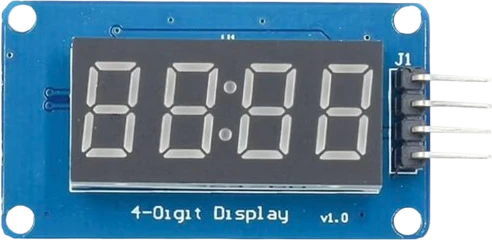
The TM1637 4-Digit Display is a compact red 7-segment module built around the Titan Micro Electronics TM1637 LED driver and scan-control IC. It packs four digits plus a center colon onto a board roughly 66 x 12 x 27.2 mm (about 10 g), and the entire display is controlled with only two signal lines, CLK and DIO, alongside VCC and GND.
The TM1637 chip handles multiplexing and constant-current segment drive internally, so the host microcontroller only sends digit data over the two-wire serial link instead of refreshing the display itself. The timing resembles I2C (start condition, stop condition, and an ACK the chip asserts by pulling DIO low on the eighth clock), but the protocol carries no device address, so it is not I2C and will not appear on an I2C bus scan. Brightness is adjustable across eight software-selectable levels, plus a display on/off bit. The module runs from a 5V supply (5.5V maximum) and its CLK and DIO lines also tolerate 3.3V logic, so it works with both 5V and 3.3V boards.
Because the driver includes the current-limiting and the module carries onboard pull-ups, very few external parts are needed to get digits on screen. With all segments lit at full brightness the module draws roughly 80 mA. The combination of a built-in colon and two-pin control makes it a common choice for clocks, timers, counters, and sensor readouts. The TM1637 can also scan a small key matrix (up to 16 keys via the DIO line), though most display breakout modules leave that feature unwired.
| Pin | Function | Type |
|---|---|---|
CLK CLK | Digital clock | Digital input |
DIO DIO | Digital data | Bidirectional (GPIO) |
VCC VCC | Power | Power in |
GND GND | Power | Power in |
Verified from the Tinkered component library · Titan Micro Electronics / generic breakout module.
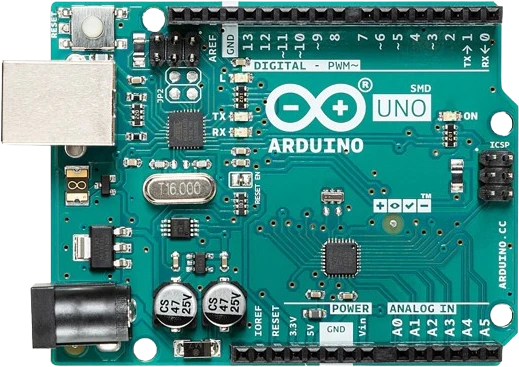
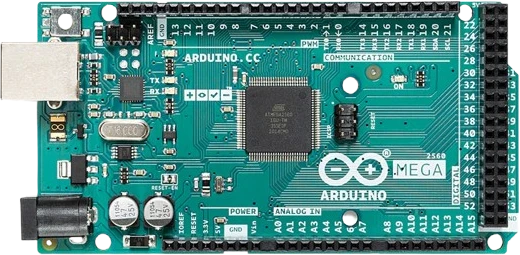
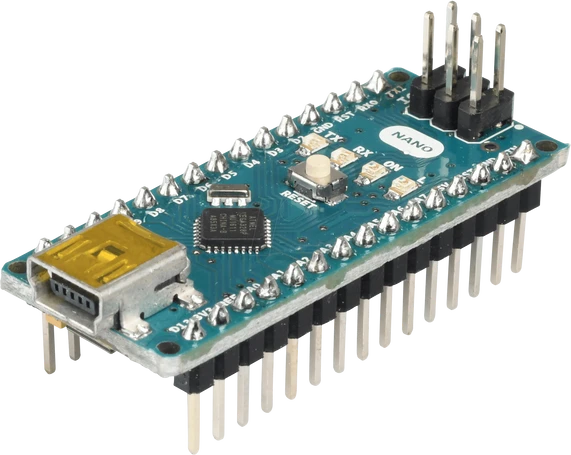
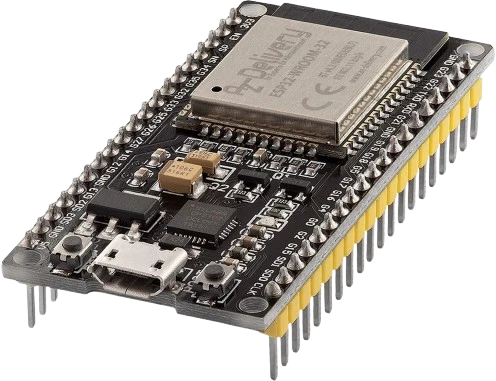
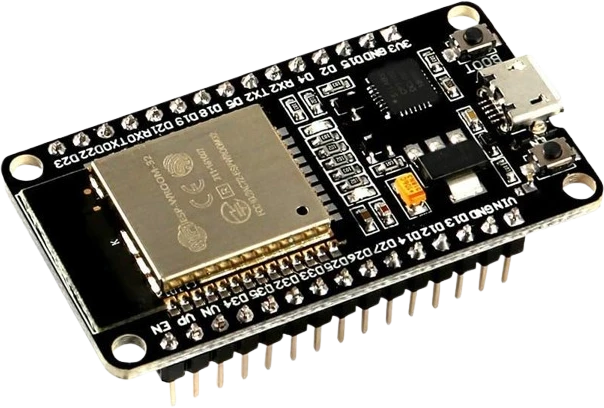
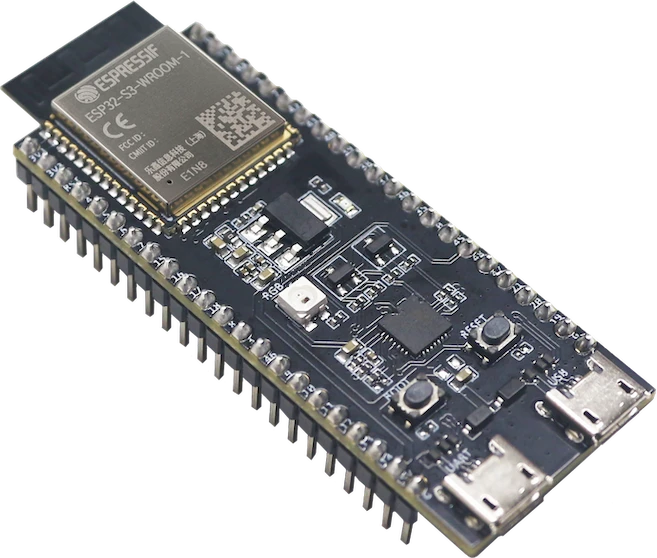
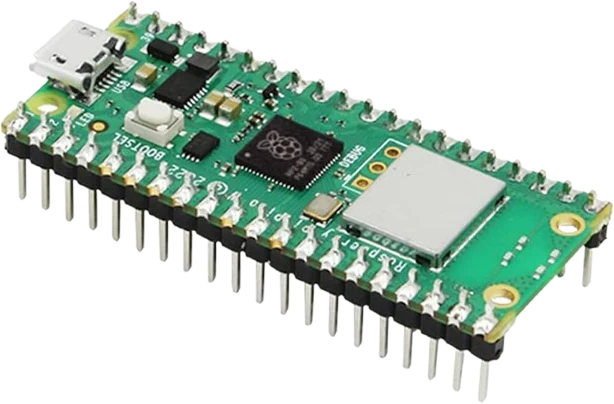
The TM1637 4-Digit Display connects to any of the microcontrollers supported in Tinkered. Mind the 5 V logic level on 3.3 V boards.
The TM1637 uses a custom two-wire protocol with I2C-like timing but no address byte. Wiring it to the SDA/SCL pins and calling Wire.begin() will not work, and an I2C scanner will never detect it. Use a TM1637-specific library on ordinary GPIO pins.
After power-up the display can stay blank until the host sends a brightness/display-control command with the on bit set. Sending digit data alone is not enough; issue the display-on and brightness command as part of initialization.
The two signal wires are not interchangeable. If CLK and DIO are crossed, nothing meaningful appears. Confirm that each pin in the sketch matches the physical CLK and DIO labels on the module.
The center colon is driven through the second digit's high bit, not a separate pin or command, so clock projects that ignore that bit show the time without the colon. How you enable it depends on the specific library.
The TM1637 is designed for a slow serial clock. Removing the small inter-bit delays or running the CLK line at high speed leads to intermittent, flickering, or scrambled digits. Keep the library's default timing.
The four digits and built-in center colon make an HH:MM clock straightforward, usually paired with an RTC such as the DS3231 for accurate timekeeping.
Kitchen timers, Pomodoro timers, and stopwatches use the colon-separated format and only two GPIO pins, leaving the rest of the board free for buttons and a buzzer.
Show temperature, humidity, or another numeric reading from a sensor like a DHT22 or thermistor without wiring a full graphical display.
Display a scaled analog reading (battery voltage, potentiometer position, current) as a live four-digit number for quick bench diagnostics.
Event counters, tally displays, and game scoreboards benefit from bright, readable digits controlled with minimal wiring and code.
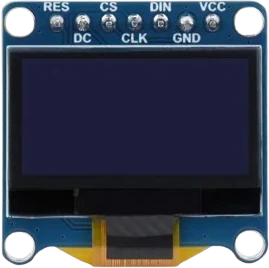
oled-128x64Monochrome I²C display
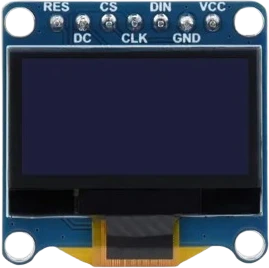
oled-sh1107-128x128Square monochrome OLED
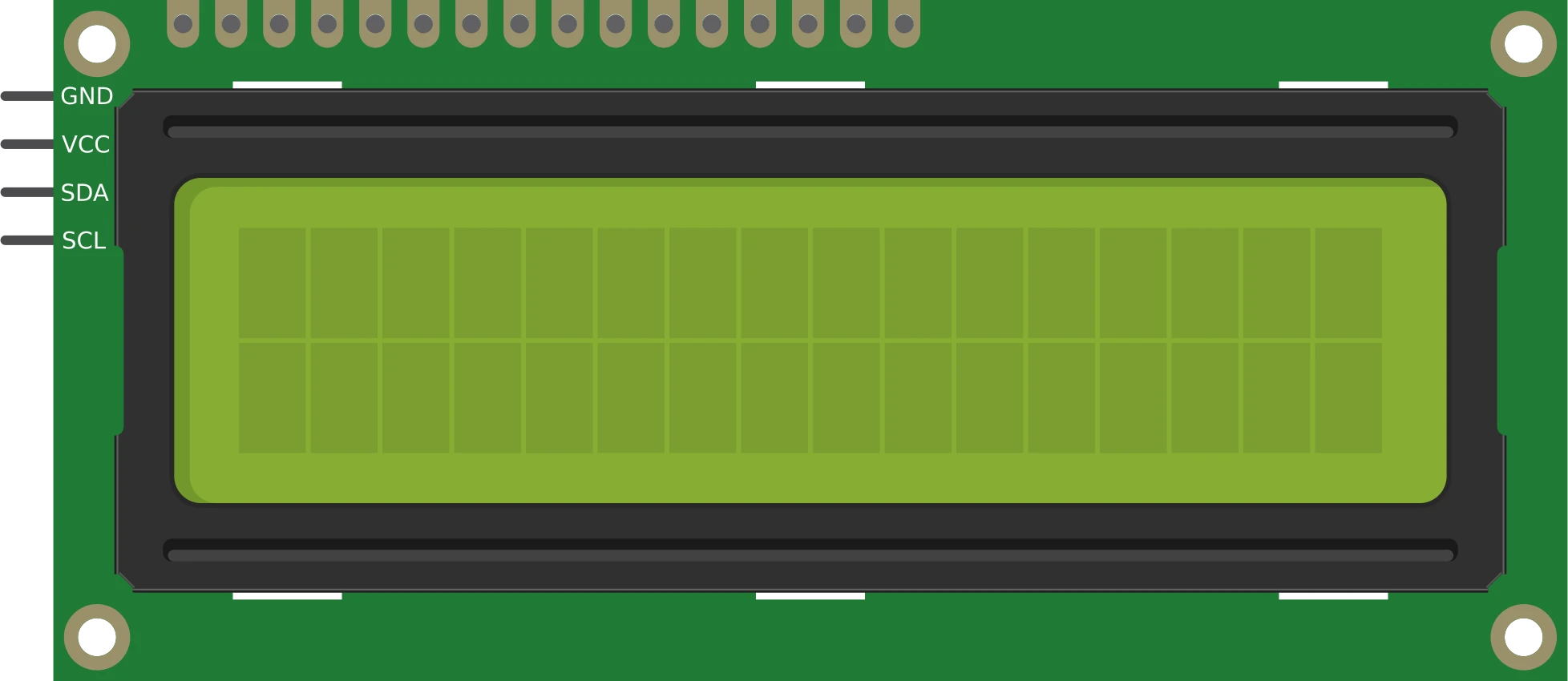
lcd-1602-i2c16×2 character display
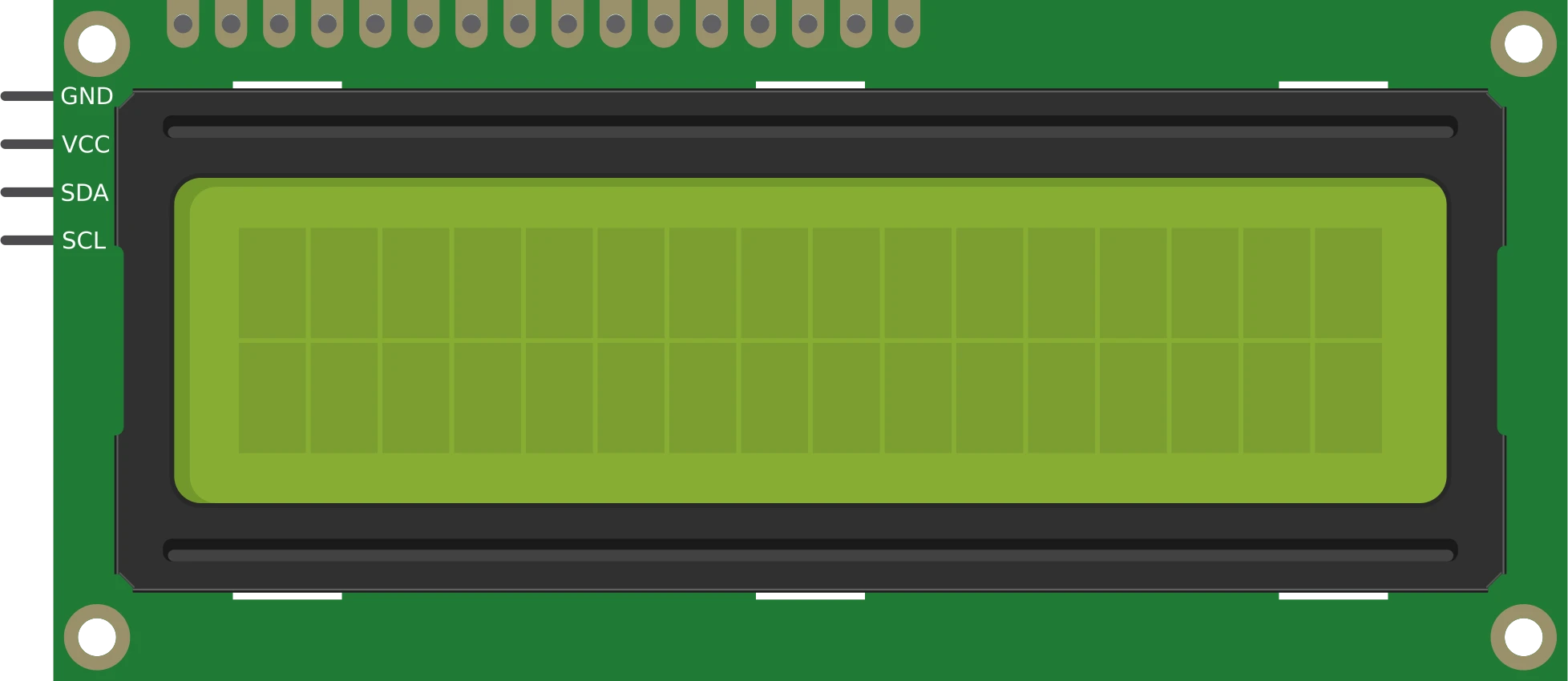
lcd-1602-parallel16×2 character display
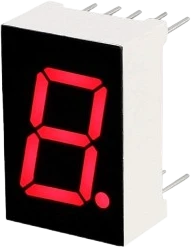
7seg-displaySingle numeric digit
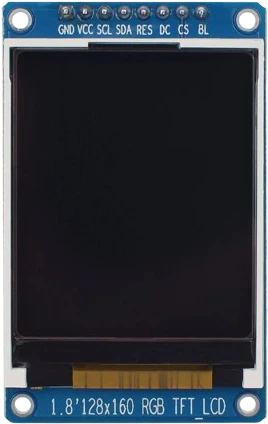
st7735-tft-1-8Color SPI display
Drop the TM1637 4-Digit Display into a circuit, write firmware, and simulate it in your browser, then deploy to real hardware. All in one editable Tinkered project.