Pan/tilt camera or sensor mount
Two SG90s stacked at right angles aim a camera or distance sensor across two axes for tracking and scanning.
A 9-gram analog positional micro servo that swings roughly 180 degrees in response to a 50 Hz PWM signal, powered from 5V.
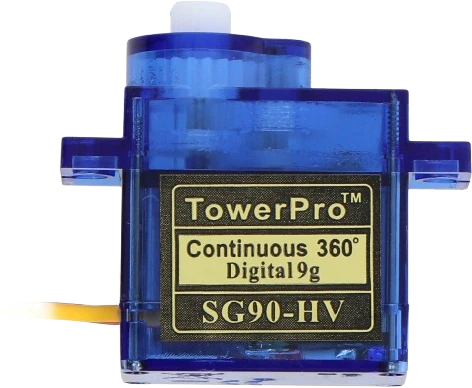
The SG90 is one of the most common hobby micro servos. It packs a small DC motor, a plastic (POM) gear train, a position-feedback potentiometer, and a control board into a 22.8 x 12.2 x 22.7 mm case weighing about 9 grams. Three wires come out of it: power (red, 5V), ground (brown), and the control signal (orange). It is an analog, positional servo, not a continuous-rotation motor.
Unlike a bare motor, a servo holds a commanded angle. It reads a 50 Hz pulse (one every 20 ms) on the signal line and moves its horn to a position set by the pulse width: about 1 ms drives it to one extreme, 1.5 ms is roughly centered, and 2 ms is the other extreme, for close to 180 degrees of total travel. The built-in controller powers the motor until the feedback pot matches the requested position, then holds it there. The SG90 is rated for roughly 1.8 kg-cm of stall torque and moves about 0.1 second per 60 degrees at 4.8V.
Because the control and driver electronics are built in, you only need to supply power and a PWM pulse. On an Arduino, the Servo library generates the timing on any digital pin. The SG90 suits light positioning jobs such as pan/tilt mounts, small robotic arms, and grippers, but its plastic gears and modest torque make it a poor fit for heavy or high-shock loads.
| Pin | Function | Type |
|---|---|---|
VCC VCC (5V) | Power | Power in |
GND GND | Power | Power in |
SIG Signal | PWM | Digital input |
Verified from the Tinkered component library.
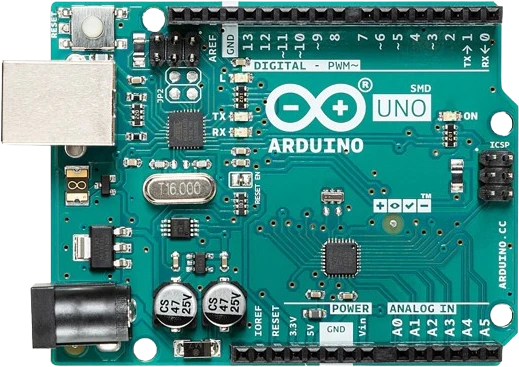
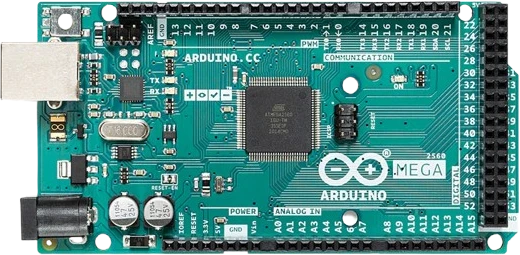
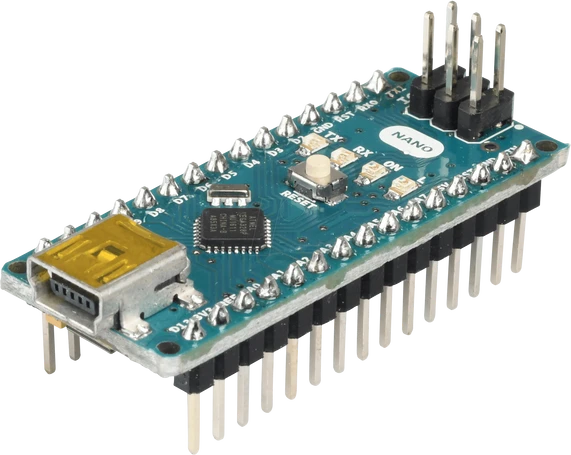
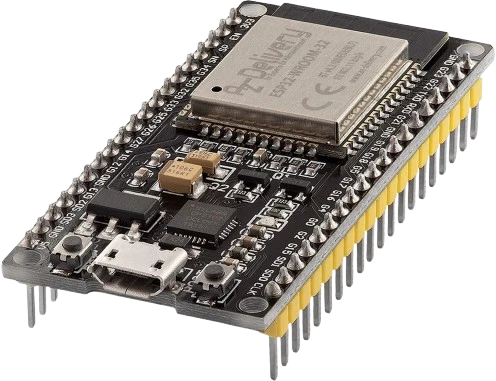
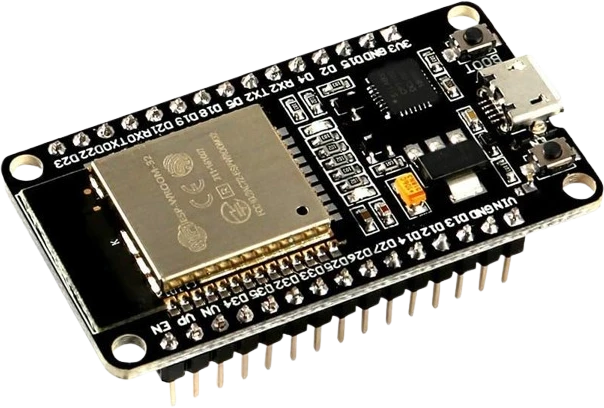
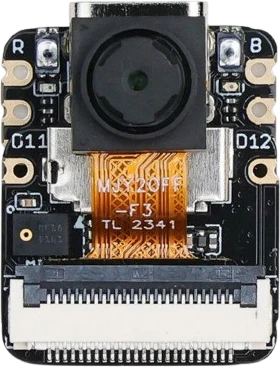
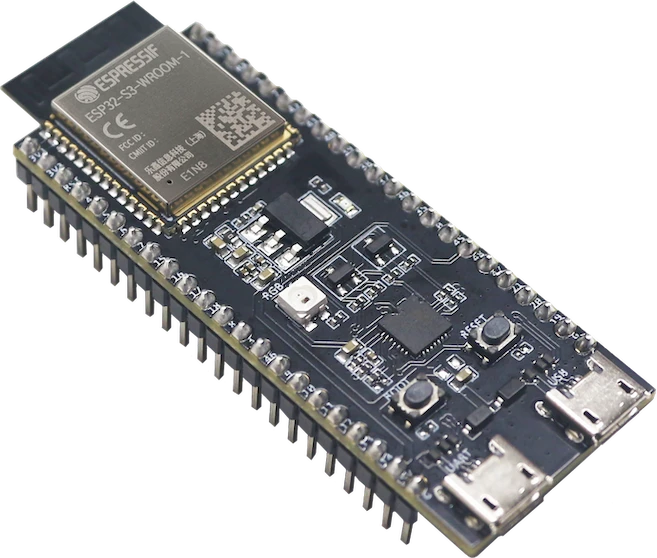
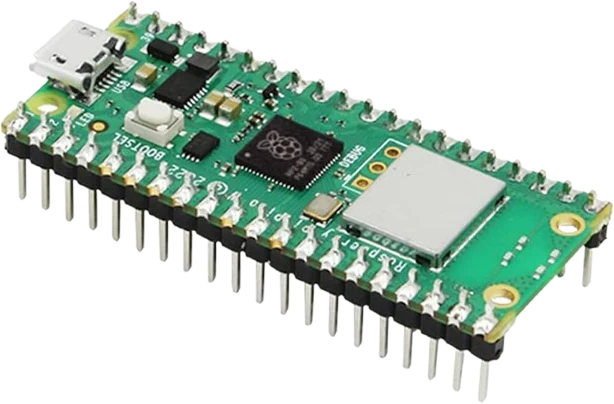
The SG90 Micro Servo connects to any of the microcontrollers supported in Tinkered. Mind the 5 V logic level on 3.3 V boards.
The SG90 Micro Servo is fully simulated in Tinkered. Wire it into a circuit, write your firmware, and read real values back with no physical hardware. Test your logic before you touch a breadboard.
Open it in the simulatorUnder load the SG90's current draw sags the onboard regulator, causing the board to brown out or reset. Use a separate 5V source for the servo and share a common ground with the Arduino.
The standard SG90 is a positional servo limited to about 180 degrees. Commanding it to spin like a wheel just drives it against an internal end stop where it buzzes and stalls. Only the modified 360-degree version rotates continuously.
When the servo runs from an external supply, its ground must connect back to the Arduino ground. Skipping this leaves the signal floating, so the servo twitches or does not respond.
Writing pulse widths or angles past the roughly 1 ms to 2 ms range pushes the servo against its mechanical stops. It grinds and pulls stall current, which overheats the motor and wears out the plastic gears.
On the SG90, brown is ground, red is +5V, and orange is the signal. This differs from older Futaba-style color codes, and swapping red and brown can damage the servo.
Two SG90s stacked at right angles aim a camera or distance sensor across two axes for tracking and scanning.
Mount an HC-SR04 on the servo horn and sweep it back and forth to plot distances into a radar-style display.
Several SG90s form the joints of a lightweight arm or an open/close gripper for pick-and-place demos.
The servo swings a flap or auger to release a measured portion on a schedule.
Map a sensor reading to a servo angle to drive a physical needle across a printed scale.
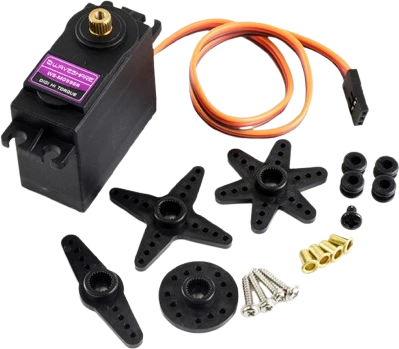
servo-mg996r-straightHigh-torque servo variant
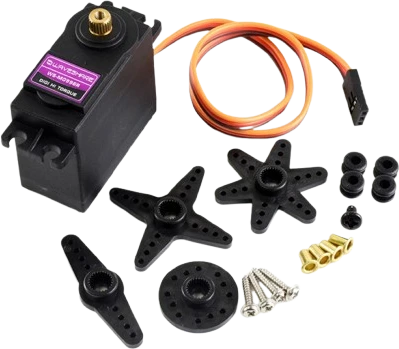
servo-mg996r-crossHigh-torque servo variant
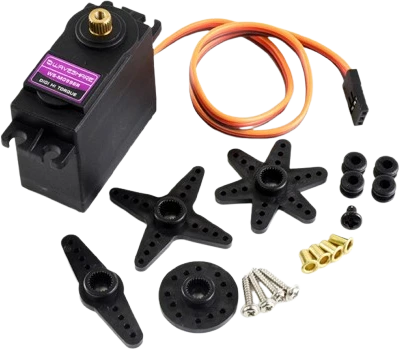
servo-mg996r-starHigh-torque servo variant
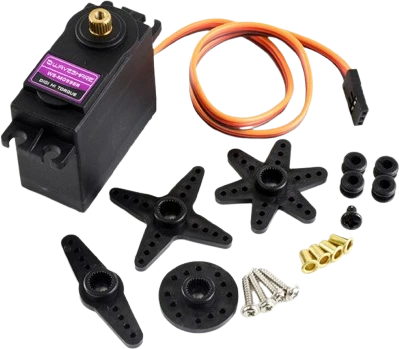
servo-mg996r-roundHigh-torque servo variant
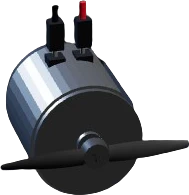
dc-motorBrushed direct-current motor
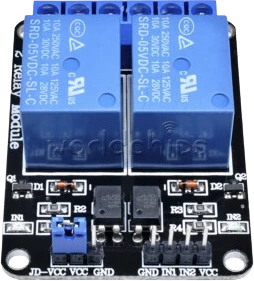
relay-5vElectromechanical switch
Drop the SG90 Micro Servo into a circuit, write firmware, and simulate it in your browser, then deploy to real hardware. All in one editable Tinkered project.