ESP32-C3 SuperMini vs ESP32 DevKit V1
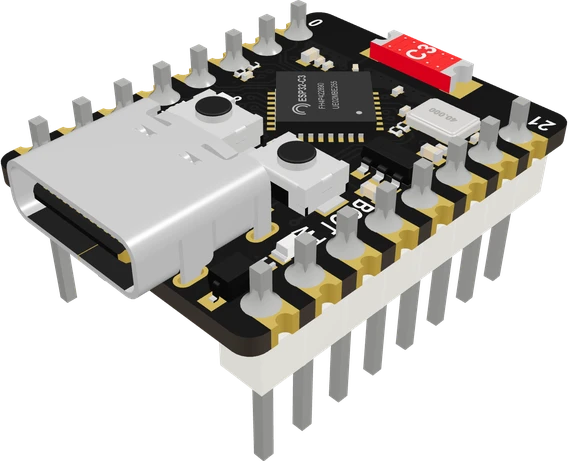
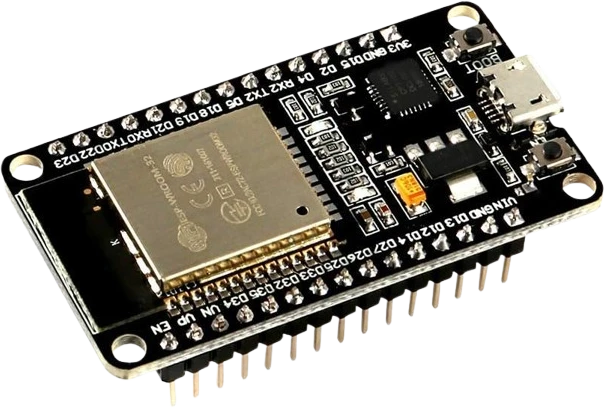
The ESP32-C3 SuperMini trades power for size: one RISC-V core at up to 160 MHz, 400 KB of SRAM, Wi-Fi and Bluetooth 5 LE with no Bluetooth Classic, and 13 GPIO on a thumbnail board with native USB-C (ESP32-C3 datasheet v2.4, pp. 3, 4). The ESP32 DevKit V1 has two Xtensa LX6 cores at up to 240 MHz, 520 KB of SRAM, Bluetooth v4.2 Classic and LE, two DAC channels and 25 GPIO (ESP32 datasheet v5.3, pp. 3, 4). Pick the C3 for small BLE and Wi-Fi sensor nodes, the DevKit V1 when you need pins, CPU, a DAC or BluetoothSerial.
Side by side
| ESP32-C3 SuperMini | ESP32 DevKit V1 | |
|---|---|---|
| CPUEspressif ESP32-C3 datasheet v2.4, p. 3; ESP32-WROOM-32 datasheet v3.8, pp. 2, 3 | Single-core 32-bit RISC-V, up to 160 MHz | Dual-core Xtensa LX6, up to 240 MHz |
| SRAMESP32-C3 datasheet v2.4, p. 4; ESP32 datasheet v5.3, p. 4 | 400 KB (16 KB of it cache) | 520 KB |
| BluetoothESP32-C3 datasheet v2.4, pp. 1, 3; ESP32 datasheet v5.3, p. 3 | Bluetooth 5 (LE) only, no Classic | Bluetooth v4.2 BR/EDR (Classic) and LE |
| GPIO on the boardESP32-C3 SuperMini pinout; ESP32 DevKit V1 30-pin pinout | 13 | 25 |
| Analog inputsESP32-C3 datasheet v2.4, pp. 21, 49; ESP32 DevKit V1 pinout; ESP32 datasheet v5.3 | 5 usable (ADC1, GPIO0 to GPIO4) | 15 on the header (6 on ADC1, 9 on ADC2) |
| DACESP32-C3 datasheet v2.4, p. 4; ESP32 datasheet v5.3, p. 4 | None | Two 8-bit channels on GPIO25 and GPIO26 |
| USBESP32-C3 datasheet v2.4, p. 48; ESP32 DevKit V1 board design | USB-C to the chip's own USB Serial/JTAG (GPIO18, GPIO19), no bridge chip | Micro-USB through a CP2102 or CH340 USB-to-UART bridge |
| On-board LEDZephyr esp32c3_supermini board file; arduino-esp32 SuperMini variant; ESP32 DevKit V1 board design | Blue LED on GPIO8, lit LOW | LED on GPIO2 on most boards |
| Logic levelESP32-C3 datasheet v2.4, p. 54; ESP32-WROOM-32 datasheet v3.8, p. 26 | 3.3 V (chip 3.0 V to 3.6 V) | 3.3 V, inputs to VDD + 0.3 V |
Which one to pick
- Small battery or USB powered sensor nodes that only need Wi-Fi or BLE and a few pins.
- Builds where space is tight: two rows of eight pins with USB-C, BOOT and RESET on the board.
- Serial and flashing over the chip's own USB, with no USB-to-UART chip to install a driver for (ESP32-C3 datasheet v2.4, p. 48).
- BluetoothSerial or other Bluetooth Classic profiles, which the C3 does not have (ESP32 datasheet v5.3, p. 3; ESP32-C3 datasheet v2.4, p. 3).
- Projects with many inputs and outputs or several analog sensors: 25 GPIO and 15 ADC pins on the header.
- Heavier work such as web servers with many clients or audio, which benefits from the second 240 MHz core; and true analog output from the two DACs.
Swapping one for the other
What changes in the wiring and the code.
- Both are 3.3 V and not 5 V tolerant (ESP32-C3 datasheet v2.4, pp. 54, 55; ESP32-WROOM-32 datasheet v3.8, p. 26), and both use the arduino-esp32 core, so Wi-Fi code with WiFi.h carries over.
- Select 'Nologo ESP32C3 Super Mini' (or enable USB CDC On Boot) for the C3, otherwise Serial goes to the UART pins instead of the USB cable.
- Remap pins: the C3 has GPIO0 to GPIO10, GPIO20 and GPIO21 on its header. Its LED is GPIO8, active LOW, and its SuperMini variant puts I2C on GPIO8 (SDA) and GPIO9 (SCL), against GPIO21 and GPIO22 on the DevKit V1.
- Drop BluetoothSerial and dacWrite() when moving to the C3: use a BLE library such as NimBLE, and PWM instead of the DAC.
- Keep GPIO2, GPIO8 and GPIO9 free of anything that pulls them LOW at reset on the C3 (datasheet p. 31); on the DevKit V1 the strapping pins are GPIO0, GPIO2, GPIO5, GPIO12 and GPIO15 (WROOM-32 datasheet, p. 11).
ESP32-C3 SuperMini or ESP32 DevKit V1: questions
Is the ESP32-C3 faster than the original ESP32?
No. The C3 has one RISC-V core at up to 160 MHz (ESP32-C3 datasheet v2.4, p. 3); the original ESP32 has two Xtensa LX6 cores at up to 240 MHz (ESP32-WROOM-32 datasheet v3.8, pp. 2, 3). For sensor nodes and simple web pages the C3 is plenty.
Does the ESP32-C3 support BluetoothSerial?
No. BluetoothSerial needs Bluetooth Classic, and the ESP32-C3 has Bluetooth 5 (LE) only (ESP32-C3 datasheet v2.4, p. 3). Use a BLE UART service, or the original ESP32, which has Bluetooth v4.2 BR/EDR (ESP32 datasheet v5.3, p. 3).
Why is my ESP32-C3 SuperMini's Serial Monitor empty?
Its USB-C port is the chip's own USB Serial/JTAG (ESP32-C3 datasheet v2.4, p. 48), not a USB-to-UART bridge like the DevKit V1's. Enable USB CDC On Boot, or select the Nologo ESP32C3 Super Mini board, so Serial uses the USB cable.
Which board has more analog inputs?
The DevKit V1: 15 ADC pins on its header, six on ADC1. The C3's usable analog inputs are GPIO0 to GPIO4 on ADC1 (ESP32-C3 datasheet v2.4, pp. 21, 49); GPIO5 is ADC2, which current arduino-esp32 cores refuse on the C3.
Can I run the same Wi-Fi sketch on both boards?
Usually, yes: both use the arduino-esp32 core and its WiFi.h, WebServer and HTTP libraries. Change the pin numbers, and replace any Bluetooth Classic or DAC code when moving to the C3.
The two references
Checked on 2026-10-29 against 4 sources, the makers’ datasheets first.
This comparison as plain Markdown. /compare/esp32-c3-super-mini-vs-esp32-devkit-v1.md